
.jpeg)
A must-read for lung cancer patients: the latest medication guide for capmatinib!
Capmatinib is a targeted therapy drug used to treat MET exon 14 skipping mutations in non-small cell lung cancer (NSCLC). Its use requires compliance with strict medication guidelines to ensure that patients receive optimal therapeutic effects and minimize the occurrence of adverse reactions. The following is a detailed introduction to the capmatinib medication guide:
1. Indications: Capmatinib is mainly suitable for patients with METexon14 skipping mutation NSCLC. This mutation is relatively rare in NSCLC but is very sensitive to targeted therapy.
2. Dosage and usage: Doctors will develop an individualized dosage plan based on factors such as the patient's weight, liver function, and overall health. Generally, capmatinib is an oral medication that patients should take at the same time every day as recommended by their doctor, with or without food. Patients should never adjust the dosage or stop taking the medication on their own, but must do so under the supervision of a doctor.
3. Testing and screening: Before initiating capmatinib treatment, patients should undergo comprehensive pathological and genetic testing to confirm the presence of METexon 14 skipping mutations. It is important to ensure that patients meet the indications for capmatinib and avoid treating non-target patients.
4. Monitoring and evaluation: During treatment, patients need to undergo regular medical examinations and monitoring to evaluate the efficacy of the drug and the patient's overall condition. Doctors will focus on indicators such as the size, number and growth rate of tumors, as well as patient survival.
5. Adverse reaction management: Patients may experience some adverse reactions related to capmatinib treatment, including but not limited to fatigue, nausea, vomiting, diarrhea, rash, etc. Patients should report to their doctor promptly when feeling unwell. Your doctor will prescribe appropriate management measures, which may include adjusting dosage, suspending medication, or using other supportive care.
6. Interactions with Other Drugs: Before starting treatment with capmatinib, patients should inform their doctor of all medications they are taking, including prescription drugs, over-the-counter drugs, and supplements. Capmatinib may interact with other medications, so doctors need to evaluate these potential interactions and make adjustments accordingly.
7. Precautions for pregnant and lactating women: Capmatinib may have adverse effects on the fetus, so female patients must take effective contraceptive measures during treatment to prevent pregnancy. Female patients should avoid breastfeeding during treatment.
8. Ending treatment and follow-up: When a patient reaches certain treatment goals during capmatinib treatment or becomes unfit to continue treatment, the doctor may decide to end the treatment. Subsequently, patients still need to receive regular follow-up visits to monitor disease progression and assess survival status.
Overall, the capmatinib medication guidelines emphasize the importance of individualized treatment, which requires patients to work closely with their medical team and conduct regular monitoring and follow-up to ensure optimal treatment effects and the patient's overall health. Patients should fully understand and follow the doctor's recommendations during medication, and report any discomfort and changes in symptoms to the medical team at any time. Such close collaboration will provide patients with better outcomes and quality of life.
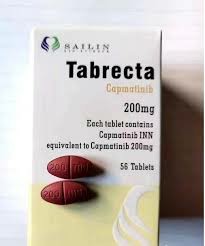
Capmatinib is not yet available in China, so patients cannot purchase it domestically yet and need to purchase it through overseas channels. Currently, there are Hong Kong version of original drugs and foreign original drugs and generic drugs. The price of Hong Kong version of original drugs is about 35,000 yuan. The overseas original drugs are mainly European version of original drugs, and the price is more than 50,000 yuan, so original drugs are still relatively expensive. Generic drugs on the market abroad are much cheaper, mainly Laos generic drugs, the price is around 3,000 to 4,000 yuan, and the ingredients of original drugs and generic drugs are basically the same.
[ 免责声明 ] 本页面内容来自公开渠道(如FDA官网、Drugs官网、原研药厂官网等),仅供持有医疗专业资质的人员用于医学药学研究参考,不构成任何治疗建议或药品推荐。所涉药品可能未在中国大陆获批上市,不适用于中国境内销售和使用。如需治疗,请咨询正规医疗机构。本站不提供药品销售或代购服务。


