
.jpeg)
How should selinesol resistance be treated?
Drug resistance is a common therapeutic challenge, especially in the context of anticancer drugs. For cases of selinexor resistance, doctors may adopt a series of strategies to deal with and manage the disease in order to find more effective treatment options. Here are some possible solutions:
1. Confirm the mechanism of resistance: First, it is critical to understand the exact mechanism of resistance to selinesol. This may involve molecular analysis of patient pathology samples to determine whether there are new mutations or other molecular changes that contribute to resistance. This can help develop more targeted treatment strategies.
2. Combined drug treatment: Consider using anti-cancer drugs with different mechanisms in combination with selinesol to increase the comprehensive effect of treatment. This may include other nucleocytoplasmic transport inhibitors, immunotherapy, chemotherapy, etc. Combination drugs can act on cancer cells through different pathways and slow down the development of drug resistance.
3. Target new biomarkers: Finding new biomarkers through molecular analysis of patients may help determine suitable targeted treatments. This can help personalize treatment options, selecting drugs that are more likely to be effective based on a patient's molecular profile.
4. Participate in clinical trials: Consider participating in relevant clinical trials, especially if drug resistance is known. New experimental drugs may offer new treatment opportunities and provide patients with more advanced treatment options.
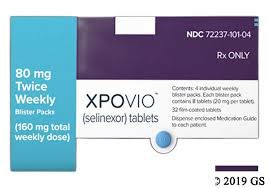
5. Treatment cycle adjustment: Adjust the treatment cycle of selinesol, which may include increasing or decreasing the dosing frequency to find a treatment plan more suitable for the patient. This helps balance the efficacy of the drug with patient tolerability.
6. Comprehensive treatment strategy: Use a comprehensive treatment strategy, including surgery, radiotherapy and other drug treatments. This helps attack cancer cells through multiple pathways simultaneously, reducing the risk of drug resistance.
7. Supportive therapy: For the possible side effects of selinesol, provide appropriate supportive therapy to reduce the patient's discomfort. This includes anti-nausea medications, magnesium supplementation, anemia treatment, and more to help improve a patient's quality of life.
8. Comprehensive assessment of the patient's condition: Comprehensive assessment of the patient's overall condition, including physical condition, mental status, and social support. During the course of treatment, proactive management of the patient's overall health can help increase the success rate of treatment.
9. Patient education and psychological support: Provide patients with adequate education to help them understand the treatment process, possible side effects, and expected effects. Psychological support is also key, helping patients face the challenges of treatment and maintain a positive attitude.
10. Regular monitoring and adjustment: Regularly monitor the disease and evaluate the patient's efficacy and drug resistance, and adjust the treatment plan in a timely manner to ensure the best treatment effect.
An individualized treatment plan is critical when dealing with selinesol resistance. Doctors need to comprehensively consider the patient's condition, molecular characteristics, drug resistance mechanisms and other factors to formulate the most appropriate treatment strategy for the patient. Close doctor-patient communication and teamwork are keys to successfully combating drug resistance.
Seleniso is already on the market in China and has been included in medical insurance, but its price is quite expensive, about 10,000 to 20,000 yuan, making patients bear higher treatment costs. It is recommended to consult the local hospital pharmacy for specific prices and medical insurance reimbursement status. Different from the domestic market, Seleniso has two options: original drug and generic drug in the foreign market. The original drug is the American version of the original drug. Because of its higher research and development costs, the price is even more expensive, even as high as hundreds of thousands of yuan. In comparison, generic drugs are more affordable. Lao generic drugs are one of the relatively low-priced generic drugs, with prices ranging from 2,000 yuan to 4,000 yuan. Compared with original drugs, they are more affordable. The ingredients of original drugs and generic drugs are basically the same.
[ 免责声明 ] 本页面内容来自公开渠道(如FDA官网、Drugs官网、原研药厂官网等),仅供持有医疗专业资质的人员用于医学药学研究参考,不构成任何治疗建议或药品推荐。所涉药品可能未在中国大陆获批上市,不适用于中国境内销售和使用。如需治疗,请咨询正规医疗机构。本站不提供药品销售或代购服务。


