
.jpeg)
What are the precautions for canakinumab?
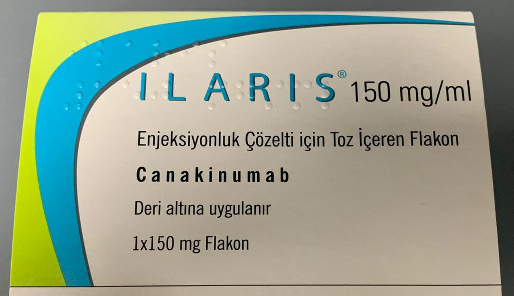
Canakinumab(Canakinumab) is a recombinant human anti-human IL-1β monoclonal antibody. Canakinumab is indicated for periodic fever syndromes, including hypothermia-associated periodic syndrome (CAPS) in adults and ≥4 children aged ≥4 years. Familial cold autoinflammatory syndrome (FCAS) and Markle-Wells syndrome (MWS). Also used in adult and pediatric patients for tumor necrosis factor receptor-associated periodic syndrome (TRAPS) and hyperimmune globulinD syndrome (HIDSHIDSHIDS pan>)/Mevalonate kinase deficiency (MKD) and familial Mediterranean fever (FMF). CanakinumabTreatment of active Still's disease, including adult Still's disease (AOSD) and systemic juvenile idiopathic arthritis (SJIA) in patients ≥2 years of age. Canakinumabhas been used to treat acute gout attacks.
What are the precautions for canakinumab?
Severe infection. IL-1blockade may interfere with the immune response to infection and is associated with an increased risk of serious infection. Potentially serious infection, primarily involving the upper respiratory tract. Unusual or opportunistic infections not reported during premarketing studies, Isolated cases of rare or opportunistic infections (e.g., aspergillosis, atypical mycobacterial infections, cytomegalovirus, herpes zoster) have been reported. Do not use canakinumab in patients with active or chronic infections that require medical treatment (such as HIV, HBV, or hepatitis C virus infection). Treatment should be discontinued if serious infection occurs. Use with caution in patients with infections, a history of recurrent infections, or patients with underlying diseases that may cause infection.
May increase risk of tuberculosis or other atypical or opportunistic infections. Before initiating canakinumab therapy, assess patients for new-onset tuberculosis or reactivation of latent tuberculosis. Not studied in patients with latent tuberculosis infection; safety in such patients is unknown. If necessary, initiate appropriate antimycobacterial therapy to treat latent tuberculosis infection before canakinumab therapy. If incanakinumabInstruct patients to seek medical advice if signs, symptoms, or high-risk exposures suggestive of TB (e.g., persistent cough, weight loss, hypothermia) occur during or after treatment.
Immunosuppression. The effect on the development of malignancy is unknown. However, patients receiving immunosuppressives, including canakinumab, may be at increased risk for malignancy.
Hypersensitivity reaction. An allergic reaction has been reported. If a hypersensitivity reaction occurs, discontinue medication and initiate appropriate treatment.
Immunity. Avoid the use of live vaccines during canakinumab therapy.
Vaccine effectiveness may be reduced. Before initiating canakinumab therapy, review the vaccination status of all patients and receive all age-appropriate vaccines, including pneumococcal vaccine and inactivated influenza virus vaccine.
Macrophage activation syndrome. Patients with Still's disease develop life-threatening macrophage activation syndrome. Monitor patients with Still's disease for worsening symptoms and infections.
Immunogenicity. Of thecanakinumabantibodies observed in clinical studies in patients receivingCAPS, no neutralizing antibodies were detected or effects on drug efficacy, safety, and tolerability were detected. No neutralizing antibodies were detected. 150 for TRAPS, HIDS/MKD, FMF, SJIA or AOSD No anti-canakinumab antibodies were detected in clinical studies with mgand300 mgcanakinumab.
Pregnant. There are limited data regarding the use of canakinumab in pregnant women to inform of the drug-related risks of major birth defects, miscarriage, or adverse maternal or fetal outcomes. Some animal studies have reported that prenatal or organogenesis exposure to canakinumab above the maximum recommended human dose can result in delayed fetal skeletal development. Consider the risks and benefits of administering live vaccines to infants who have been exposed to canakinumab in utero for at least4-12 months after the mother's last dose of canakinumab.
Breastfeeding. It is not known whether canakinumab is distributed in breast milk. Consider the benefits of breastfeeding to the baby and the benefits of treatment to the mother. If you want to get more high-quality information, you can contact YaDE. YaDE will do its best to learn more about high-quality overseas drugs for you.
[ 免责声明 ] 本页面内容来自公开渠道(如FDA官网、Drugs官网、原研药厂官网等),仅供持有医疗专业资质的人员用于医学药学研究参考,不构成任何治疗建议或药品推荐。所涉药品可能未在中国大陆获批上市,不适用于中国境内销售和使用。如需治疗,请咨询正规医疗机构。本站不提供药品销售或代购服务。


