
.jpeg)
What are the precautions for lamivudine dolutegravir tablets?
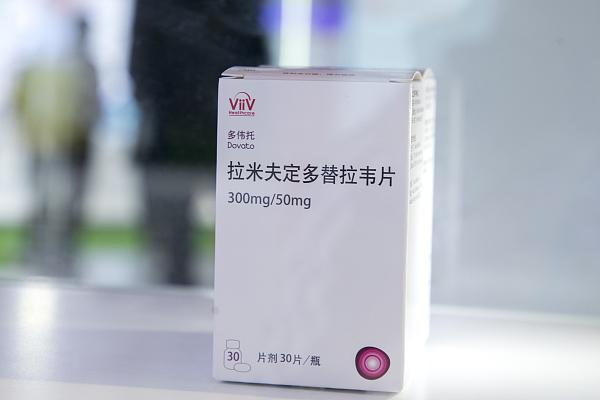
Lamivudine Dolutegravir Tablets(Dolutegravir)As a complete treatment regimen, used to treat HIV-1 infected patients without a history of antiretroviral treatment, or as an alternative to virological suppression (HIV-1 A stable antiretroviral regimen for patients with RNAless than50copies/ml) who have no history of treatment failure and no known substitutions associated with resistance to individual components.
AdherenceThe importance of HIVtreatment and the importance of receiving treatment from a clinician. The importance of taking your medications as directed, Do not change or interrupt antiretroviral therapy without consulting your clinician.
Antiretroviral therapy does not cure HIV infection and opportunistic infections and other complications associated withHIV disease may still occur.
Inform patients that early initiation of antiretroviral therapy and sustained declines in plasmaHIV RNAare associated with a reduced risk of progression to acquired immunodeficiency syndrome (AIDS) and death.
Inform patients that effective antiretroviral therapy can reduce HIV levels in the blood and genital secretions, and that strict adherence to such therapy and risk-reduction measures may reduce but not completely eliminate the risk of secondary transmission of HIV to others. The importance of continuing to practice safe sex (such as using latex or polyurethane condoms to minimize sexual contact with body fluids) and reducing high-risk behaviors (such as reusing or sharing needles).
It is recommended that patients take it once a day at a fixed time Lamivudine dolutegravir tablets can be taken with or without food. Lamivudine dolutegravir tablets can be used alone as a complete regimen to treat HIV-1 infection.
If you miss a dose of Lamivudine Dolutegravir Tablets, take it as soon as you remember. Patients are advised not to double their next dose or take more of the drug than prescribed.
Before initiating antiretroviral therapy, inform patients that testing for HBV viral infection is recommended. Inform patients of the risk of concurrent infection with HBVHIV while receiving lamivudine-containing antiretroviral therapyAmong infected patients, lamivudine resistance has emerged in HBV. Patients should also be informed that after discontinuing lamivudine in HIV-infected patients who are co-infected with HBV virus, there has beenHBVviral infection have been reported and may occur with the use of dolotegvir/lamivudine. HIV and HBVIt is important for patients coinfected with their healthcare providers to discuss the need for additional treatment for chronic HBV.
If the rash is accompanied by fever, general malaise, extreme fatigue, muscle or joint pain, difficulty breathing, blisters or peeling skin, blisters or lesions in the mouth, eye inflammation, swelling of the face, eyes, lips, or mouth, and/or signs and symptoms of liver problems (e.g., skin or if you develop yellowing of the whites of your eyes, dark or tea-colored urine, pale stools, nausea, vomiting, loss of appetite, or pain or sensitivity on the right side under the ribs), you must immediately stop taking Lamivudine Dolutegravir Tablets and seek medical advice. Advise patients that if an allergic reaction occurs, close monitoring and appropriate laboratory testing and treatment may be required.
Inform patients that hepatotoxicity has been reported in patients treated with the lamivudine component of dolotegvir/ and monitoring for hepatotoxicity is recommended.
Inform patients that certain HIV drugs (includingdolutegravir/lamivudine) can cause a rare but serious condition called lactic acidosis with hepatomegaly (enlarged liver).
Inform patients that someHIV-infected people may develop signs and symptoms of inflammation from other previous infections soon after starting antiretroviral therapy. The importance of notifying the clinician immediately if any signs or symptoms of infection occur.
Inform clinicians of the importance of existing or anticipated concomitant treatments, including prescription and over-the-counter medications and herbal supplements (e.g., St. John's wort), and any concomitant medical conditions.
Women should inform their clinician if they plan to become pregnant, become pregnant, or suspect pregnancy during treatment with lamivudine dolutegravir tablets. Inform women of childbearing potential that there are risks to the fetus if lamivudine dolutegravir tablets are used in the three months before conception. Inform women of childbearing potential that they need a pregnancy test before starting lamivudine dolutegravir and advise them to consider alternative antiretroviral treatment options from the time of conception to the first trimester. It is recommended that women of childbearing age who are taking lamivudine dolutegravir tablets insist on using effective contraceptive measures during treatment with lamivudine dolutegravir tablets . If you want to get more high-quality information, you can contact YaDE. YaDE will do its best to learn more about high-quality overseas drugs for you.
[ 免责声明 ] 本页面内容来自公开渠道(如FDA官网、Drugs官网、原研药厂官网等),仅供持有医疗专业资质的人员用于医学药学研究参考,不构成任何治疗建议或药品推荐。所涉药品可能未在中国大陆获批上市,不适用于中国境内销售和使用。如需治疗,请咨询正规医疗机构。本站不提供药品销售或代购服务。


