
.jpeg)
What are the frequently asked questions about Platinib?
Frequently asked questions about Pralsetinib may include but are not limited to the following:
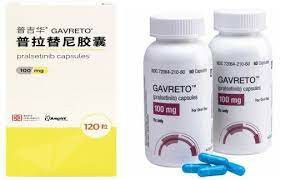
1. How to know whether Platinib is suitable?
Platinib is a targeted therapy used to treat certain lung or thyroid cancers that have changes (mutations) in the RET gene. Medical staff will take a blood or tissue sample (biopsy) to test for changes in the patient's RET. If testing shows RET gene alterations, platinib may be an option for patients.
2. How long should I take Platinib?
Typically, patients can continue taking platinib as long as it continues to be effective against their cancer. To make sure the medication is still effective, medical staff will check for symptoms of the condition at every visit and perform scans every few months. If signs of cancer spread are found on scans, or if cancer symptoms worsen, Platinib may need to be stopped and your treatment plan adjusted.
Additionally, healthcare providers may decide to discontinue treatment with Platinib if a patient experiences problems with side effects. If you are bothered by side effects such as pain, fatigue, or constipation, tell your healthcare provider. They will assess the patient's symptoms and perform blood tests. Depending on the severity of the side effects, health care providers may have the person stop the medication briefly and restart it at a lower dose or make other changes to the treatment plan.
3. What can I do to help treat constipation while taking Platinib?
Constipation is a common symptom of platinib. Most of the time, it's mild. Healthcare providers may recommend ways to help patients manage constipation, such as drinking enough water to stay hydrated, getting regular exercise, and eating fiber-rich foods. If constipation continues to be a problem, you can also ask your healthcare provider about constipation medications to help control symptoms.
4. What can be done to help treat high blood pressure while taking Platinib?
Platinib can cause high blood pressure. In the study, patients with high blood pressure were able to continue taking platinib by using their blood pressure-lowering medication. To prevent high blood pressure, patients can make sure to stay physically active and maintain a low-salt diet. Medical staff also check blood pressure to make sure it's within a safe range, and if it's above a safe range, they may start the person on blood pressure medication.
5. Can Platinib be taken during pregnancy?
No. Platinib is not safe for pregnant women because it may cause harm to an unborn baby. If the patient is able to become pregnant, while taking platinib and after stopping the drugUse an effective barrier method (such as condoms) within 2 weeks.
Since platinib mainly targets multiple fusion mutations of RET, not all tumor patients carrying RET gene mutations are suitable for this drug. In addition, individualized treatment strategies and close disease monitoring are crucial to ensure the efficacy of platinib.
[ 免责声明 ] 本页面内容来自公开渠道(如FDA官网、Drugs官网、原研药厂官网等),仅供持有医疗专业资质的人员用于医学药学研究参考,不构成任何治疗建议或药品推荐。所涉药品可能未在中国大陆获批上市,不适用于中国境内销售和使用。如需治疗,请咨询正规医疗机构。本站不提供药品销售或代购服务。


