
.jpeg)
Is the cure rate of platinib high in treating lung cancer?
The cure rate of lung cancer is affected by many factors, including the type and stage of the lung cancer, the patient's overall health, and treatment options. Pralsetinib (Pralsetinib) is a targeted therapy drug that may have a certain therapeutic effect on patients with specific types of lung cancer, but it cannot simply be said that its cure rate is high or not. RET gene fusion-positive non-small cell lung cancer is one of the main indications for platinib. In some clinical studies, the drug has shown certain anti-tumor activity and can help patients relieve symptoms and extend survival.
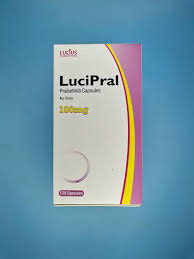
The U.S. Food and Drug Administration (FDA) approved platinib for non-small cell lung cancer based on ARROW, a multicenter, non-randomized, open-label, multi-cohort Phase 1/2 trial. The study enrolled patients with metastatic RET fusion-positive NSCLC who had progressed on platinum-based chemotherapy and patients with metastatic NSCLC who were treatment-naïve in separate cohorts. Platinib (approved under FDA's Accelerated Approval Program) is based on overall response rate and duration of response. Continued approval for this indication may be contingent on verification and characterization of clinical benefit in confirmatory trials.
Patients received oral platinib400 mg once daily until disease progression or unacceptable toxicity. The primary efficacy outcome measures were overall response rate (ORR) and duration of response (DOR), assessed by blinded independent central review (BICR) according to RECIST v1.1. Efficacy was evaluated in 87 patients with RET fusion-positive NSCLC from the ARROW cohort who had measurable disease and had received prior platinum-based chemotherapy. Platinib demonstrated an overall response rate (ORR) of 57% and a complete response (CR) rate of 5.7% in 87 patients with NSCLC who had previously received platinum-based chemotherapy, and the median duration of response (DoR) was not reached. Among 27 treatment-naïve NSCLC patients, the ORR was 70% and the CR rate was 11%.
Each patient's condition is unique and may respond differently to medications. Assessment of cure rates usually requires the consideration of multiple factors. In addition to drug treatment, the treatment of lung cancer may also include surgery, radiotherapy, chemotherapy and other methods, and the treatment effect is also affected by factors such as the patient's age, physical condition, tumor stage and characteristics. To be clear, no drug can guarantee a 100% cure rate. The treatment of lung cancer is usually an individualized process. Doctors will develop a comprehensive treatment plan based on the patient's specific situation and closely monitor the treatment effect. The most important thing is to maintain a positive attitude, cooperate with the doctor's treatment plan, and pay attention to a healthy lifestyle, such as reasonable diet, moderate exercise and smoking cessation, etc., which will help improve the effect of treatment and quality of life.
[ 免责声明 ] 本页面内容来自公开渠道(如FDA官网、Drugs官网、原研药厂官网等),仅供持有医疗专业资质的人员用于医学药学研究参考,不构成任何治疗建议或药品推荐。所涉药品可能未在中国大陆获批上市,不适用于中国境内销售和使用。如需治疗,请咨询正规医疗机构。本站不提供药品销售或代购服务。


