
.jpeg)
Dabrafenib’s mechanism of action
Dabrafenib is a drug used to treat certain types of cancer, particularly those with mutations in the BRAF gene, such as melanoma (malignant black tumor) and non-small cell lung cancer. It belongs to a class of drugs called BRAF inhibitors, and I'll go into more detail about how dabrafenib works below.
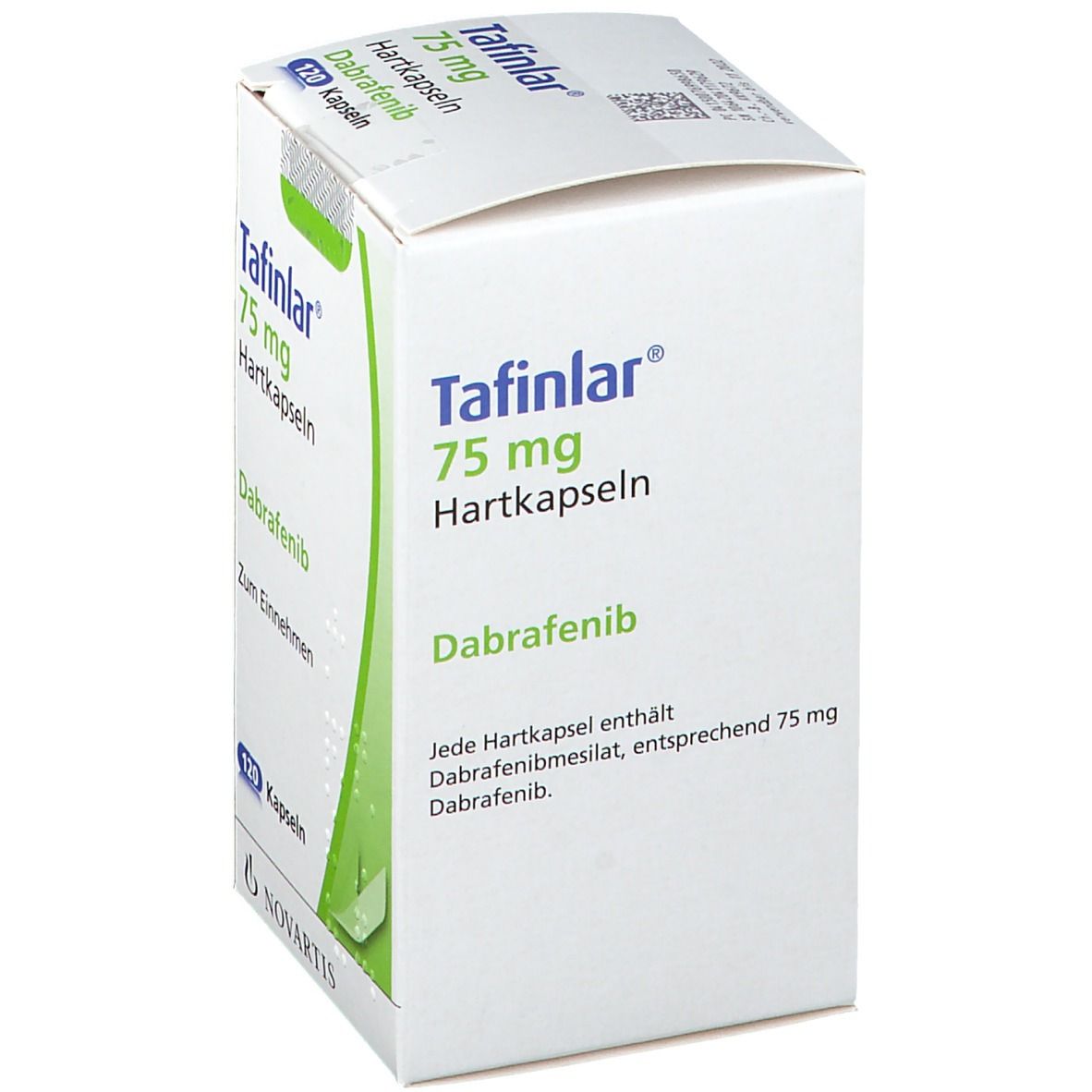
1.BRAF Gene mutation: BRAF is a protein-coding gene that plays an important role in cell signaling. When the BRAF gene is mutated, it will lead to abnormal activation of the BRAF protein, which in turn triggers abnormal cell proliferation and survival, thereby promoting the development of cancer.
2.BRAF Inhibition: The main function of dabrafenib is to treat cancer by inhibiting the activity of BRAF protein. Dabrafenib is a BRAF kinase inhibitor. It binds to the activation site of BRAF protein and blocks the phosphorylation activity of BRAF protein, thereby inhibiting the activation of downstream signaling pathways.
3.MAPK Signal pathway inhibition: BRAF Abnormal activation of protein will activate the MAPK signaling pathway, thereby promoting cell proliferation, survival and metastasis. The inhibitory effect of dabrafenib results in the inhibition of the MAPK signaling pathway, blocking the signaling for excessive proliferation and survival of these abnormal cells.
4.Apoptosis induction: Dabrafenib can also inhibit the development of cancer by promoting the apoptosis of tumor cells. Apoptosis is a form of programmed cell death that helps remove abnormal and damaged cells and prevents the progression of cancer.
5.Anti-angiogenic effect: Dabrafenib can also affect the tumor microenvironment and inhibit the process of tumor angiogenesis, thereby reducing the nutrient supply of the tumor, aggravating the hypoxia of tumor cells, and further inhibiting tumor growth and metastasis.
In general, dabrafenib effectively inhibits the development of specific types of cancer by inhibiting the activity of BRAF protein, blocking the abnormal activation of MAPK signaling pathway, inducing tumor cell apoptosis, and inhibiting tumor angiogenesis, thereby effectively inhibiting the development of specific types of cancer and providing patients with an important treatment option. However, despite Dabrafenib's remarkable achievements in cancer treatment, its use may also be accompanied by a series of side effects and drug resistance issues, so it still needs to be used with caution in clinical applications and combined with other treatments to obtain better efficacy.
[ 免责声明 ] 本页面内容来自公开渠道(如FDA官网、Drugs官网、原研药厂官网等),仅供持有医疗专业资质的人员用于医学药学研究参考,不构成任何治疗建议或药品推荐。所涉药品可能未在中国大陆获批上市,不适用于中国境内销售和使用。如需治疗,请咨询正规医疗机构。本站不提供药品销售或代购服务。


