
.jpeg)
Dabrafenib treatment for melanoma
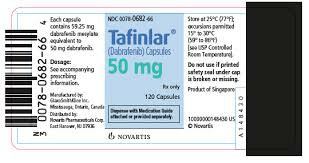
Dabrafenib (Dabrafenib), as a targeted therapy, is widely used to treat advanced or metastatic malignant melanoma (melanoma) carrying BRAF V600 mutations. When formulating a dabrafenib treatment plan for melanoma, doctors usually consider multiple factors, including the patient's condition, tumor characteristics, genotype, treatment goals, and possible side effects. The following is a typical protocol and precautions for dabrafenib treatment of melanoma:
1.Genetic testing: Before starting dabrafenib treatment, patients usually undergo genetic testing to determine whether their tumors carry the BRAF V600 mutation. Only patients with this mutation benefit from dabrafenib treatment.
2.Monotherapy: For patients who have not received BRAF targeted therapy, dabrafenib monotherapy is usually tried first. Dabrafenib is usually given as an oral tablet twice daily at a dose of 150 mg twice daily. Patients should take their medications on time according to their doctor's recommendations and prescriptions.
3.Combination therapy: For some patients, especially those who have already received dabrafenib and developed resistance, combination therapy may be considered. Common combination treatment options include dabrafenib with other targeted drugs (such as tixaban) and immunotherapy drugs (such as PD-1 or CTLA-4 inhibitors).
4.Regular monitoring and evaluation: During treatment, patients need to undergo regular clinical evaluation and imaging examinations to monitor tumor response and treatment effects. These tests usually include a physical examination, blood tests, CT scans, MRI scans, and PET scans.
5.Side Effect Management: Dabrafenib treatment may cause a series of side effects, including skin reactions, fever, fatigue, headache, nausea, etc. Doctors will develop corresponding side effect management strategies based on the patient's specific situation, which may include medication, lifestyle advice, and supportive care.
6.Duration of treatment: The duration of dabrafenib treatment can vary depending on the patient's condition, treatment response and drug resistance. Generally, dabrafenib treatment is continued until disease progression or intolerable side effects occur.
7.Clinical trials and new treatments: For some patients with relapsed and refractory melanoma, participating in a clinical trial or trying a new treatment may be an option. Doctors may provide patients with information about clinical trials and discuss potential treatment options.
In general, as an important drug for the treatment of melanoma, dabrafenib’s treatment plan is usually individualized and needs to be adjusted according to the patient’s condition and treatment response. Patients should pay close attention to changes in their symptoms during dabrafenib treatment and communicate with their doctors in a timely manner to ensure the best treatment effect and quality of life.
[ 免责声明 ] 本页面内容来自公开渠道(如FDA官网、Drugs官网、原研药厂官网等),仅供持有医疗专业资质的人员用于医学药学研究参考,不构成任何治疗建议或药品推荐。所涉药品可能未在中国大陆获批上市,不适用于中国境内销售和使用。如需治疗,请咨询正规医疗机构。本站不提供药品销售或代购服务。


