
.jpeg)
Clinical trial progress of pemetinib/pemetinib in the treatment of cholangiocarcinoma
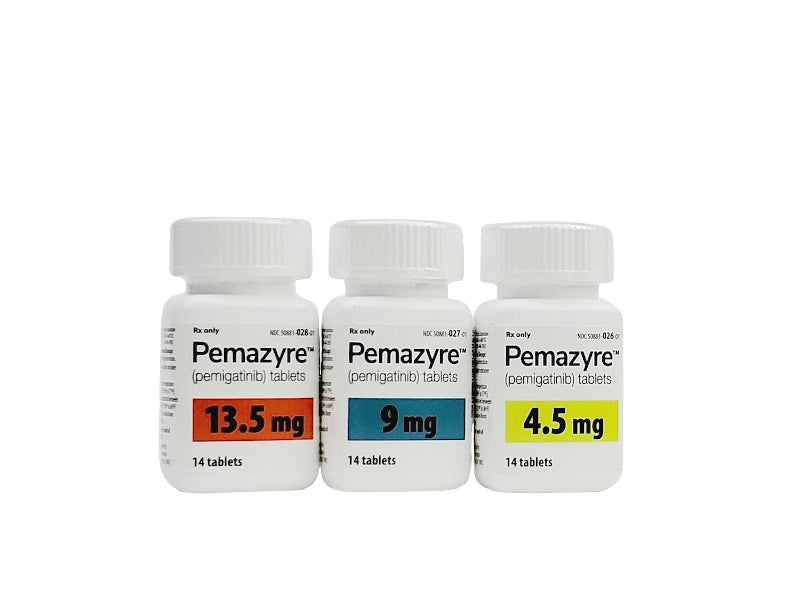
Pemigatinib/Pemigatinib, as the first cholangiocarcinoma-targeted drug targeting fibroblast growth factor receptor 2 (FGFR2) fusion or rearrangement, was approved for marketing in April 2020. Previously, surgery was the main cure for rare biliary tract cancer, but only about 35% of patients were suitable for surgery. Even among patients who choose surgical resection, about 35% of patients experience recurrence within 2 years after surgery. For patients with unresectable biliary tract cancer, the standard treatment regimen is gemcitabine combined with cisplatin, but the efficacy is limited.
Pemetinib is a small molecule inhibitor targeting FGFR1/2/3. In preclinical studies, it has shown significant activity against cancer cells with FGFR gene mutations. Among patients with intrahepatic cholangiocarcinoma, approximately 11% to 13% have FGFR1/2/3 fusion or amplification. However, in extrahepatic cholangiocarcinoma, these genetic mutations are rare.
The FDA accelerated the approval of pemetinib based on the results of the FIGHT-202 study. FIGHT-202 is a multicenter, open-label, single-arm, phase 2 clinical study that primarily evaluates the efficacy and safety of pemetinib in patients with locally advanced unresectable or metastatic cholangiocarcinoma who have received at least one prior therapy. At the same time, the FDA also approved FoundationOne CDx as a companion diagnostic reagent for pemetinib.
In theFIGHT-202 study, pemetinib monotherapy achieved an overall response rate of 36% (95% CI, 27%-45%), including a 2.8% complete response rate and a 33% partial response rate. The median duration of response was 9.1 months (95% CI, 6.0-14.5), with 63% of patients experiencing a response lasting 6 months or longer, and 18% of patients experiencing a response lasting 12 months or longer. Of note, all observed efficacy responses occurred in patients with FGFR2 fusions or rearrangements; whereas no significant efficacy responses were observed in study participants with other FGF/FGFR gene alterations or no FGF/FGFR gene alterations. In addition, the median overall survival (OS) reached 21.1 months (95% CI, 14.8 to not estimable).
In terms of security,Serious adverse reactions (AEs) were observed in 45% of patients in the FIGHT-202 study, including 4.1% of fatal AEs, such as dysplasia, bile duct obstruction, cholangitis, sepsis, and pleural effusion. Nine percent of patients discontinued treatment due to adverse events, with common causes including intestinal obstruction and acute kidney injury. 14% of patients required dose reduction in response to adverse events. Overall, the safety profile of pemetinib was considered "manageable." Most AEs were grade 1 or 2 in severity, with the most common adverse events including hyperphosphatemia (55%), alopecia (46%), dysgeusia (38%), diarrhea (34%), and fatigue (31%). These data provide clinicians with important information about the efficacy and safety of pemetinib in the treatment of cholangiocarcinoma.
[ 免责声明 ] 本页面内容来自公开渠道(如FDA官网、Drugs官网、原研药厂官网等),仅供持有医疗专业资质的人员用于医学药学研究参考,不构成任何治疗建议或药品推荐。所涉药品可能未在中国大陆获批上市,不适用于中国境内销售和使用。如需治疗,请咨询正规医疗机构。本站不提供药品销售或代购服务。


