
.jpeg)
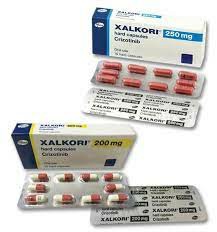
Detailed instructions for use of crizotinib
1. Drug name
Common name: Crizotinib,Crizotinib
Product name:Xalkori, Xalkori
Alias: Crizotinib, etc.
2. Applicable symptoms
Crizotinib (Crizotinib treats the following conditions:
1. ALK or ROS1-positive metastatic non-small cell lung cancer (NSCLC): It is suitable for adult patients with metastatic non-small cell lung cancer who are confirmed to be anaplastic lymphoma kinase (ALK) or ROS1-positive.
2. Relapsed or refractory (R/R) systemic ALK-positive anaplastic large cell lymphoma (ALCL): Applicable to children and adolescent patients 1 year old and above with ALK-positive and relapsed or refractory systemic anaplastic large cell lymphoma.
3. Unresectable, recurrent or refractory (R/R) ALK-positive inflammatory myofibroblastic tumor (IMT): Applicable to both adults and children with ALK-positive, unresectable, relapsed or refractory inflammatory myofibroblastic tumor (IMT) aged 1 year and above.
Note: For elderly patients with relapsed or refractory systemic ALK-positive ALCL, its safety and efficacy have yet to be confirmed.
3. Medication suggestions
1. Pre-medication evaluation: Doctors will decide whether to use crizotinib based on the ALK or ROS1 positivity in the patient's tumor sample.
2. Monitoring during medication:
(1) Patients should undergo liver function tests every 2 weeks during the first 2 months of treatment and monthly thereafter.
Monitor complete blood counts during the first month of treatment and monthly thereafter; if abnormalities or signs of infection occur, monitor more frequently.
(2) Pediatric patients with ALK-positive ALCL or IMT should have an eye examination within 1 month after starting medication and every 3 months thereafter.
3. How to take the medicine: Crizotinib capsules can be taken with or without food. The capsules must not be chewed, crushed or divided. For patients who are unable to swallow capsules, granules are available and can be poured directly into the patient's mouth or mixed into the oral administration aid provided and taken immediately with water.
4. Recommended dosage:
(1) ALK or ROS1-positive NSCLC: Adults, 250 mg twice daily; for patients who cannot swallow, granules twice daily, total 250 mg.
(2) Relapsed or refractory ALCL: Children and young adults, 280 mg/m² twice daily.
(3) Unresectable, recurrent or refractory IMT: Adults, 250 mg twice daily; children, 280 mg/m2, twice daily.
5. Dose adjustment: If adverse reactions occur, the doctor may adjust the dose. It may be reduced to 200 mg twice a day for the first time; to 250 mg once a day for the second time; if it is still intolerable, it is recommended to discontinue the drug.
4. Possible adverse reactions
In adultsCommon side effects include vision problems, nausea, diarrhea, vomiting, edema, constipation, elevated liver enzymes, fatigue, decreased appetite, dizziness and nerve pain. Serious side effects may include liver damage, pneumonitis, neutropenia, and QT interval prolongation. In children and adolescents with ALCL or IMT, common side effects also include neutropenia and leukopenia.
5. Storage conditions
Recommended storage Storage between 20°C and 25°C, with an allowed temperature deviation of 15°C to 30°C.
6. Principle of drug action
Crizotinib is a drug that inhibits receptor tyrosine kinases, mainly targeting kinases such asALK, c-Met, ROS1 and RON. It inhibits the activity of these kinases, thereby blocking tumor cell proliferation and survival signals. In clinical trials, crizotinib has been shown to have significant inhibitory effects on tumor cells expressing specific fusion proteins.
[ 免责声明 ] 本页面内容来自公开渠道(如FDA官网、Drugs官网、原研药厂官网等),仅供持有医疗专业资质的人员用于医学药学研究参考,不构成任何治疗建议或药品推荐。所涉药品可能未在中国大陆获批上市,不适用于中国境内销售和使用。如需治疗,请咨询正规医疗机构。本站不提供药品销售或代购服务。


