
.jpeg)
Are there any serious side effects of avatrombopag? How should this be handled?
Avatrombopag is a drug used to treat certain types of thrombocytopenia, especially chronic immune thrombocytopenia (ITP). While it is very effective at increasing platelet counts, it can also cause some side effects. In this article, we’ll look at the side effects of avatrombopag and how to manage them.
Avatrombopag side effects:
1.Headache: Headache is one of the most common side effects of avatrombopag. This may be due to the drug's effects on the central nervous system. Patients may experience mild to moderate headaches that may even interfere with daily activities.
2.Fatigue: Some patients may experience fatigue or weakness while taking avatrombopag. This feeling may be temporary, but in some cases may persist for a longer period of time, affecting the patient's quality of life.
3.Nausea and Vomiting: Avatropopag may cause nausea and vomiting, which may be due to the drug's irritating effect on the digestive system. This side effect is usually temporary, but in some cases steps may be needed to reduce symptoms.
4.Skin rash: Some patients may develop a rash or other skin reaction while taking avatrombopag. This may be a sign of an allergic reaction and needs to be identified and treated promptly.
5.Abnormal liver function: In some cases, use of avatrombopag may cause abnormal liver function, such as elevated transaminases. This may require further evaluation and treatment.
6.Other side effects: In addition to the common side effects mentioned above, avatrombopag may also cause other less common side effects, such as dizziness, gastrointestinal discomfort, myalgia, etc.
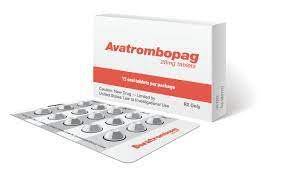
How to deal with side effects:
1.Monitoring and evaluation: While using avatrombopag, doctors need to regularly monitor patients' platelet counts and any possible side effects. This helps identify and manage any potential issues in a timely manner.
2.Dose adjustment: For patients who experience side effects, the dose of avatrombopag may need to be adjusted to reduce side effects or improve patient tolerance. This should be decided by the doctor based on the patient's specific circumstances.
3.Supportive treatment: For patients who experience nausea, vomiting or other gastrointestinal reactions, supportive treatment measures, such as antiemetics or antacids, can be considered to reduce symptoms.
4.Skin management: For patients who develop a rash or other skin reaction, avatropopag may need to be discontinued and antiallergic medications or topical treatments may be considered to relieve symptoms.
5.Liver function monitoring: The patient's liver function needs to be closely monitored during the use of avatrombopag, and appropriate measures should be taken as needed to deal with any abnormalities.
6.Communicate with doctors: Patients should maintain close communication with their doctors and promptly report any discomfort or side effects so that treatment plans can be adjusted in a timely manner.
In summary, avatrombopag is very effective in treating thrombocytopenia, but it may also cause some side effects. When using avatrombopag, doctors need to evaluate the patient's overall condition, monitor drug efficacy and side effects, and take appropriate management measures as needed to ensure optimal treatment effects and patient safety.
[ 免责声明 ] 本页面内容来自公开渠道(如FDA官网、Drugs官网、原研药厂官网等),仅供持有医疗专业资质的人员用于医学药学研究参考,不构成任何治疗建议或药品推荐。所涉药品可能未在中国大陆获批上市,不适用于中国境内销售和使用。如需治疗,请咨询正规医疗机构。本站不提供药品销售或代购服务。


