
.jpeg)
Will tumors disappear after taking crizotinib for one year? Why
Taking crizotinib for one year may not completely eliminate the tumor. Crizotinib is a targeted therapy for certain types of tumors caused by certain genetic mutations. By inhibiting cancer cell proliferation and growth, it can significantly slow down or even prevent tumor progression. However, treatment effectiveness will vary depending on individual circumstances and tumor type.
Crizotinib is the first-generation ALK inhibitor approved by the U.S. Food and Drug Administration (FDA) because it can effectively treat ALK-rearranged or ROS1-positive non-small cell lung cancer. Several studies have focused on the central nervous system (CNS) activity of crizotinib in patients with non-small cell lung cancer and brain metastases. A pooled retrospective study analyzed the clinical benefit of crizotinib in patients with ALK-rearranged NSCLC with brain metastases who were enrolled in the PROFILE 1005 and PROFILE 1007 clinical trials after failure of at least one prior chemotherapy regimen. The 12-week I DCR of crizotinib in patients with previously untreated asymptomatic brain metastases was 56% compared with 62% in patients with previously treated brain metastases, and the MI TTP was 7 months and 13.2 months.
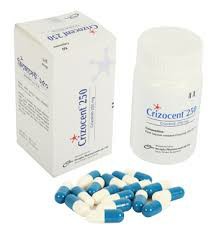
Because crizotinib shows good efficacy and is relatively well tolerated in patients with non-small cell lung cancer brain metastases, patients with poor PS scores should be given the opportunity to receive crizotinib treatment. Although the patient experienced isolated CNS progression 12 months after receiving crizotinib, no progression of extracranial disease was noted.
Furthermore, the disappearance of a tumor does not mean a cure. Even if the tumor is not visible on imaging tests, there may still be small amounts of residual cancer cells present. These cancer cells may grow and develop again over time, causing tumor recurrence. The effectiveness of treatment is also affected by other factors, such as the patient's overall health, comorbidities, and treatment compliance. Doctors will closely monitor the patient's condition during treatment and adjust the treatment plan based on the tumor's response and the patient's condition.
[ 免责声明 ] 本页面内容来自公开渠道(如FDA官网、Drugs官网、原研药厂官网等),仅供持有医疗专业资质的人员用于医学药学研究参考,不构成任何治疗建议或药品推荐。所涉药品可能未在中国大陆获批上市,不适用于中国境内销售和使用。如需治疗,请咨询正规医疗机构。本站不提供药品销售或代购服务。


