
.jpeg)
Crizotinib is the leader of the first generation of targeted drugs and a pioneer of the second generation.
Crizotinib (Crizotinib, as a groundbreaking ALK inhibitor, has shown unique efficacy in the treatment of non-small cell lung cancer (NSCLC), especially for those patients with ALK gene mutations. As the first generation of targeted drugs, it mainly interferes with specific cancer cell signaling pathways to effectively curb the growth and spread of tumors. Crizotinib's identity is not limited to a tyrosine kinase inhibitor. It is also an important treatment method for some non-small cell lung cancer and lymphoma. As early as the early stage of clinical application, it has firmly occupied the top position of targeted therapy drugs.
In the study calledPROFILE 1014, the efficacy of crizotinib was directly compared with chemotherapy in 343 patients with previously untreated advanced non-small cell lung cancer. The patients were randomly divided into two groups, one receiving crizotinib and the other receiving chemotherapy with pemetrexed plus platinum (including cisplatin or carboplatin). The results showed that the progression-free survival of 172 patients in the crizotinib treatment group reached 10.9 months, while that of 171 patients in the chemotherapy group was 7.0 months. In terms of tumor response rate, patients in the crizotinib group showed an objective response rate (ORR) of 74%, which was significantly higher than the 45% in the chemotherapy group. It is worth noting that when the study report was released, the median overall survival (OS) of patients in both groups had not yet been reached, but the one-year survival rate of the crizotinib group was estimated to be 84%, which was slightly higher than the 79% of the chemotherapy group.
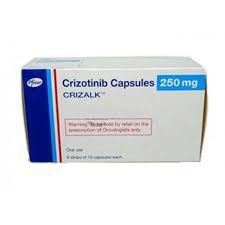
With the rapid development of medical technology, the second generation of targeted drugs has quietly emerged. They have been in-depth optimized and improved on the basis of the first-generation drugs. They not only have more precise therapeutic effects, but also achieve significant reductions in toxic and side effects, further improving the quality of life of patients. Although crizotinib still has its place in the treatment of non-small cell lung cancer, more efficient and safe second- and even third-generation targeted drugs are emerging, bringing broader treatment options and brighter hope to cancer patients.
[ 免责声明 ] 本页面内容来自公开渠道(如FDA官网、Drugs官网、原研药厂官网等),仅供持有医疗专业资质的人员用于医学药学研究参考,不构成任何治疗建议或药品推荐。所涉药品可能未在中国大陆获批上市,不适用于中国境内销售和使用。如需治疗,请咨询正规医疗机构。本站不提供药品销售或代购服务。


