
.jpeg)
Crizotinib’s medical insurance reimbursement policy and out-of-pocket expenses
Crizotinib is a targeted treatment drug for cancers caused by specific gene mutations. It has been approved by the National Medical Products Administration and is on the market in China. This drug is included in the scope of medical insurance reimbursement and is a Class B drug, which means that domestic patients can enjoy certain medical insurance reimbursement when purchasing this drug.
Usually, the medical insurance reimbursement ratio will be comprehensively considered based on factors such as the price of the drug, treatment effect, and patient group. For high-priced and highly effective drugs like crizotinib, the medical insurance department may set a certain upper limit on the reimbursement ratio to balance the expenditure of the medical insurance fund and the financial burden of patients.
Currently, medical insurance reimbursement for crizotinib is mainly limited to patients with anaplastic lymphoma kinase (ALK)-positive or ROS1-positive locally advanced or metastatic non-small cell lung cancer (NSCLC). This means that only patients who meet these conditions can enjoy medical insurance reimbursement. For other types of cancer or for patients who are ineligible, this drug may be purchased at full out-of-pocket expense.
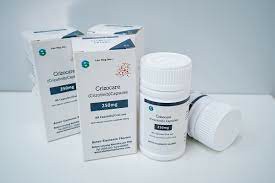
Even if they are reimbursed by medical insurance, patients still need to bear some out-of-pocket expenses. This part of the cost includes the personal out-of-pocket portion after medical insurance reimbursement and the expenses beyond the scope of medical insurance reimbursement. The price of crizotinib is relatively high, and the domestically sold specifications of 250mg*60 pills and 200mg*60 pills may cost more than 10,000 yuan per box. Therefore, patients need to understand drug prices and medical insurance policies in detail when purchasing in order to make reasonable financial arrangements.
In general, the medical insurance reimbursement policy for crizotinib can reduce the financial burden of patients to a certain extent, but the specific reimbursement ratio and out-of-pocket expenses still need to be determined based on the medical insurance policy and personal circumstances of the patient's region.
[ 免责声明 ] 本页面内容来自公开渠道(如FDA官网、Drugs官网、原研药厂官网等),仅供持有医疗专业资质的人员用于医学药学研究参考,不构成任何治疗建议或药品推荐。所涉药品可能未在中国大陆获批上市,不适用于中国境内销售和使用。如需治疗,请咨询正规医疗机构。本站不提供药品销售或代购服务。


