
.jpeg)
In-depth analysis: The therapeutic effects and potential risks of crizotinib
Crizotinib, as a cancer treatment drug with significant efficacy, mainly targets non-small cell lung cancer (NSCLC). When the cancer cells of NSCLC patients are "ALK positive" or "ROS1 positive", crizotinib becomes an effective treatment option. These two positive states mean that there are specific genetic mutations in the patient's cancer cells, which affect the normal function of ALK (anaplastic lymphoma kinase) or ROS1 protein, thus promoting the abnormal growth and spread of cancer cells.
In addition to NSCLC, crizotinib is approved for the treatment of children and adolescent patients aged 6 to 18 years with ALK-positive anaplastic large cell lymphoma (ALCL) or unresectable ALK-positive inflammatory myofibroblastic tumor (IMT). In the case of IMT, although it is generally considered a benign tumor, crizotinib is still effective against those malignant changes that affect myofibroblasts.
In terms of therapeutic mechanism, crizotinib works by inhibiting the activity of receptor tyrosine kinases (RTKs). In ALK-positive or ROS1-positive tumors, these kinases are abnormally active, driving the uncontrolled growth of cancer cells and the formation of new blood vessels. Crizotinib slows or stops the progression of cancer by blocking the activity of these kinases. Targeting ALK-positive or ROS1 protein NSCLC patients has a high therapeutic efficiency and can significantly extend the patient's survival.
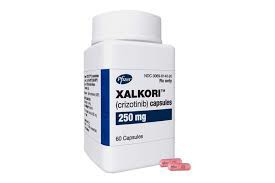
However, like all drugs, crizotinib comes with a range of potential side effects. In adults with NSCLC, the most common side effects include vision problems, nausea, diarrhea, vomiting, edema, constipation, and increases in liver enzymes in the blood. In addition, patients may experience symptoms such as fatigue, loss of appetite, dizziness, and pain caused by nerve damage. More serious side effects include liver damage, pneumonia, neutropenia (a decrease in the number of white blood cells), and QT prolongation (an abnormality in the heart's electrical activity).
The side effects of crizotinib vary slightly in children and adolescents. In addition to common symptoms such as elevated liver enzymes in the blood, vomiting, and neutropenia, nausea, diarrhea, and leukopenia are also common reactions. Of particular note, neutropenia is particularly common in these younger patients and may require additional monitoring and treatment.
Crizotinib is an effective drug for the treatment of non-small cell lung cancer, anaplastic large cell lymphoma, and inflammatory myofibroblastoma, but it also has certain side effects. During use, the patient's vital signs need to be closely monitored and necessary adjustments and treatments made according to the doctor's recommendations.
[ 免责声明 ] 本页面内容来自公开渠道(如FDA官网、Drugs官网、原研药厂官网等),仅供持有医疗专业资质的人员用于医学药学研究参考,不构成任何治疗建议或药品推荐。所涉药品可能未在中国大陆获批上市,不适用于中国境内销售和使用。如需治疗,请咨询正规医疗机构。本站不提供药品销售或代购服务。


