
.jpeg)
Important information when using crizotinib
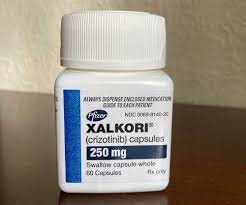
Crizotinib is a targeted therapy drug for specific cancers that has shown remarkable results in clinical applications. However, in order to ensure patient safety and efficacy, special attention must be paid to liver function monitoring, pulmonary symptom observation, electrocardiogram and electrolyte monitoring, vision protection, gastrointestinal reactions, pregnancy and contraception, etc. when using this drug.
1. Liver function monitoring: During the use of crizotinib, a small number of patients may experience abnormal liver function. Therefore, liver function tests, including alanine aminotransferase (ALT) , aspartate aminotransferase (AST) and total bilirubin, should be performed every two weeks at the beginning of treatment, and then monthly. If liver function abnormalities such as elevated transaminases occur, the treatment plan needs to be adjusted in time.
2. Pulmonary symptom observation: Interstitial lung disease/pneumonitis is a potentially serious side effect of crizotinib. Patients should pay close attention to changes in pulmonary symptoms such as difficulty breathing and coughing during use. Once relevant symptoms appear, seek medical attention immediately and handle accordingly.
3. Electrocardiogram and electrolyte monitoring: Crizotinib may cause QT interval prolongation and bradycardia. Therefore, patients with existing heart disease or who are taking other medications that affect heart function should have their ECG and electrolyte levels monitored regularly. If bradycardia occurs, reassess the use of concomitant medications known to cause bradycardia.
4. Vision protection: Crizotinib may cause serious eye problems such as vision loss. Patients should evaluate visual symptoms monthly during treatment and promptly consult an ophthalmologist if new symptoms occur. Regular eye exams are also required for certain patient groups, such as children and adolescents with cancer.
5. Management of gastrointestinal reactions: Crizotinib may cause gastrointestinal reactions such as diarrhea, nausea, and vomiting. When patients experience these symptoms, they should communicate with their doctors promptly and follow the doctor's instructions for treatment with antiemetics and antidiarrheals. If symptoms persist and are severe, medication may need to be discontinued and treatment regimen adjusted.
6. Pregnancy and contraception: Since crizotinib may have adverse effects on the fetus, it is recommended that women of reproductive potential use effective contraceptive measures during drug treatment and within 45 days after the last dose; male patients with female partners of reproductive potential are recommended to use condoms during drug treatment and within 90 days after the last dose.
In short, as an effective cancer treatment drug, crizotinib should not be ignored during its use. Patients and doctors should work closely together to regularly monitor physical conditions and adjust treatment plans in a timely manner to ensure patient safety and efficacy.
[ 免责声明 ] 本页面内容来自公开渠道(如FDA官网、Drugs官网、原研药厂官网等),仅供持有医疗专业资质的人员用于医学药学研究参考,不构成任何治疗建议或药品推荐。所涉药品可能未在中国大陆获批上市,不适用于中国境内销售和使用。如需治疗,请咨询正规医疗机构。本站不提供药品销售或代购服务。


