
.jpeg)
Should I continue to take the targeted drug crizotinib if my tumor grows longer?
In the treatment of malignant tumors such as lung cancer, targeted drugs such as crizotinib ( Crizotinib) have become an important treatment method. However, even when such highly effective drugs are used, tumors sometimes continue to grow. Any decisions about medication should be made under the guidance of a physician. When it is found that the tumor is still growing while taking crizotinib, the patient should communicate with the doctor immediately to jointly analyze the possible causes.
Tumors can grow for a variety of reasons. On the one hand, it may be that crizotinib is no longer effective against specific tumor mutation types, that is, resistance has emerged. On the other hand, it may also be because the tumor itself has multiple complex mutation types, making it difficult for a single drug to fully control it. In addition, factors such as individual differences, drug metabolism and absorption may also affect the efficacy of the drug.
After analyzing the possible causes, the doctor will give personalized suggestions based on the patient's specific situation. If it is determined that the problem is caused by drug resistance, the doctor may recommend changing to other targeted drugs or trying a combination treatment regimen. If the poor efficacy is due to other complex factors, the doctor may adjust the drug dosage, change the administration method, or combine it with other treatments to improve the efficacy.
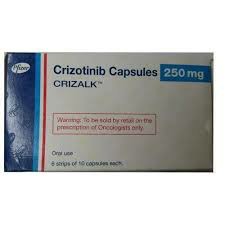
Even if your doctor recommends changing the treatment regimen, it does not mean that crizotinib is completely ineffective. In some cases, even if the tumor is growing, crizotinib may still be helpful in controlling the disease, relieving symptoms, or extending survival. Therefore, multiple factors need to be considered when deciding whether to continue taking crizotinib.
In addition to the doctor's advice and drug efficacy, the patient's physical condition, quality of life needs, and psychological endurance are also important factors that need to be considered in the decision-making process. For example, continuing crizotinib may be a relatively mild option for patients who are in poor health and unable to tolerate other intense treatments. For patients who pursue a higher quality of life and are willing to try more aggressive treatments, changing treatment options may be more appropriate.
[ 免责声明 ] 本页面内容来自公开渠道(如FDA官网、Drugs官网、原研药厂官网等),仅供持有医疗专业资质的人员用于医学药学研究参考,不构成任何治疗建议或药品推荐。所涉药品可能未在中国大陆获批上市,不适用于中国境内销售和使用。如需治疗,请咨询正规医疗机构。本站不提供药品销售或代购服务。


