
.jpeg)
In-depth analysis of the clinical effect of crizotinib in the treatment of tumors
Crizotinib, as an anti-tumor drug that has attracted much attention in recent years, has shown remarkable effects in the treatment of various types of tumors. Through an in-depth analysis of a series of well-designed clinical trials, we can gain a more complete understanding of how crizotinib performs in different tumors.
In the field of non-small cell lung cancer (NSCLC), crizotinib is particularly widely used. Crizotinib has become a standard treatment option for patients with ALK-positive NSCLC. In a pivotal study involving 343 patients, crizotinib demonstrated impressive efficacy. Patients treated with crizotinib showed a higher response rate in terms of tumor shrinkage than those treated with conventional chemotherapy. Specifically, 74% of patients had a positive response to crizotinib treatment, compared with only 45% in the chemotherapy group. This result not only proves the superiority of crizotinib in the treatment of ALK-positive NSCLC, but also provides a more effective treatment option for these patients.
In addition to ALK-positive NSCLC, crizotinib also performs well in patients with ROS1-positive NSCLC. Although ROS1-positive NSCLC is relatively rare, the efficacy of crizotinib in this area is also worth looking forward to. In a study of 50 patients, researchers found that 66% of patients treated with crizotinib experienced tumor shrinkage. Even more exciting is that one of the patients even achieved a complete remission, in which all signs of cancer disappeared. These results indicate that crizotinib also has significant potential in the treatment of ROS1-positive NSCLC.
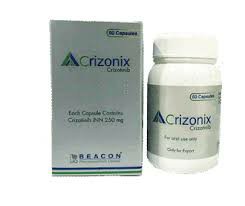
In addition, crizotinib has also shown impressive therapeutic effects in patients with ALK-positive anaplastic large cell lymphoma (ALCL). In one study involving 26 patients, up to 88% responded to crizotinib treatment. Of those, 21 patients (81%) achieved a complete response, meaning their tumors completely disappeared after treatment. These responses persisted for a considerable time in most patients, further supporting the effectiveness of crizotinib in the treatment of this type of tumor.
In addition to the above-mentioned tumor types, crizotinib has also achieved remarkable results in the treatment of ALK-positive inflammatory myofibroblastic tumor (IMT). This rare soft tissue tumor is often difficult to remove surgically and is prone to recurrence. However, the emergence of crizotinib has brought new hope to these patients. Crizotinib has shown good therapeutic effects in clinical trials in both adult and pediatric patients. Most patients experienced tumor shrinkage after treatment with crizotinib, and some even achieved complete remission. These results provide new treatment options for patients who cannot be surgically resected or who have failed previous treatments.
Overall, crizotinib, as an efficient, safe and targeted tumor treatment drug, has demonstrated excellent therapeutic effects in a variety of tumor types. However, we also need to realize that crizotinib is not a panacea and its efficacy varies between individuals and tumor types. Therefore, when using crizotinib, doctors need to develop a personalized treatment plan based on the patient's specific conditions to ensure the best treatment effect. At the same time, with the continuous deepening of research and the widespread promotion of clinical application, we have reason to believe that crizotinib will bring hope and new life to more tumor patients.
[ 免责声明 ] 本页面内容来自公开渠道(如FDA官网、Drugs官网、原研药厂官网等),仅供持有医疗专业资质的人员用于医学药学研究参考,不构成任何治疗建议或药品推荐。所涉药品可能未在中国大陆获批上市,不适用于中国境内销售和使用。如需治疗,请咨询正规医疗机构。本站不提供药品销售或代购服务。


