
.jpeg)
Learn about the latest safety review of avatrombopag now!
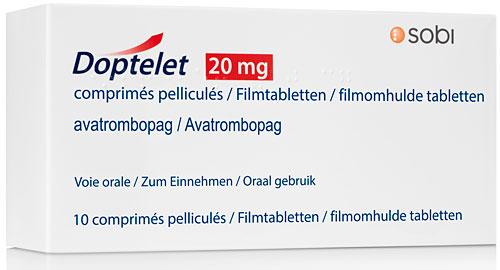
Avatrombopag is a drug used to treat idiopathic thrombocytopenic purpura (ITP). When evaluating its security, the following aspects are mainly considered:
1.Clinical trial data: The basis of safety assessment is to obtain safety information about the drug through clinical trial data. Clinical trials of avatrombopag involved large numbers of patients and provided data on the drug's safety at different doses and treatment regimens.
In clinical trials, researchers monitor participants for adverse events (adverse events), including any adverse reactions related to drug use. These data help determine the risks that may arise during treatment with avatrombopag.
2.Common adverse reactions: According to clinical trial data and drug instructions, common adverse reactions of avatrombopag may include mild discomfort such as headache, nausea, fatigue, and diarrhea. These reactions are usually short-lived and easily tolerated by most patients or fade away during treatment.
In addition, clinical trials may also reveal some serious adverse reactions, such as thrombosis, abnormal liver function, etc. Although these reactions are rare, they still need to be taken seriously because they can have serious consequences for the patient's health.
3.Long-term safety: The long-term safety of avatrombopag is also an important focus of attention. Although clinical trials provide short-term safety data, long-term use may lead to the emergence of other safety issues. Therefore, longer-term monitoring and evaluation of patients receiving avatrombopag long-term is needed to determine its safety and tolerability.
4.Safety of special groups: Special groups include children, the elderly, pregnant women, and lactating women, who may have different reactions to the safety of the drug. Therefore, when evaluating the safety of avatrombopag, differences between different populations need to be considered and appropriate dosage and treatment regimens determined accordingly.
5.Drug interactions: As a drug, avatrombopag may interact with other drugs, affecting their metabolism and effects. Therefore, when assessing its safety, the possible risks of drug interactions also need to be considered, especially when used concurrently with other commonly used medications.
6.Monitoring and management strategies: In clinical practice, monitoring and managing the safety of avatrombopag during treatment is crucial. Doctors need to closely monitor the patient's condition and drug response, and promptly adjust the dose or treatment plan to deal with the emergence of any adverse reactions.
At the same time, patients also need to actively participate in the treatment process and regularly report any discomfort or adverse reactions so that the treatment plan can be adjusted in a timely manner.
To sum up, the safety assessment of avatrombopag needs to comprehensively consider factors such as clinical trial data, common adverse reactions, long-term safety, safety in special populations, drug interactions and other factors. In practical applications, doctors and patients need to work closely together to monitor and manage the patient's treatment process to ensure the safe and effective use of avatrombopag.
[ 免责声明 ] 本页面内容来自公开渠道(如FDA官网、Drugs官网、原研药厂官网等),仅供持有医疗专业资质的人员用于医学药学研究参考,不构成任何治疗建议或药品推荐。所涉药品可能未在中国大陆获批上市,不适用于中国境内销售和使用。如需治疗,请咨询正规医疗机构。本站不提供药品销售或代购服务。


