
.jpeg)
Cabozantinib Efficacy and Side Effects
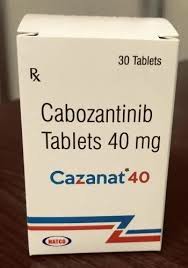
Cabozantinib is a targeted therapy drug used to treat renal cell carcinoma (RCC), thyroid cancer (TC) and other cancer types. Its mechanism of action is to block the growth and spread of tumors by inhibiting tyrosine kinases on multiple key signaling pathways in tumor cells. The efficacy of cabozantinib and its possible side effects are important factors to consider during treatment.
Efficacy of cabozantinib:
1.Anti-tumor effect: Cabotinib, as a multi-target tyrosine kinase inhibitor, can simultaneously inhibit multiple key signaling pathways for tumor cell growth and proliferation, including MET, VEGFR2 and RET, etc. This helps block the growth and spread of tumor cells, thereby slowing the progression of the disease and reducing tumor burden.
2.Anti-angiogenic effect: Cabozantinib can also inhibit tumor-related angiogenesis and reduce tumor blood supply, thereby blocking the tumor's nutritional source and limiting tumor growth and spread.
3.Anti-metastatic effect: The drug also shows an anti-metastatic effect, which can reduce the ability of tumor cells to metastasize and invade, reduce the risk of metastasis, and improve the prognosis of patients.
4.Improved survival rate: For patients with cancers such as renal cell carcinoma and thyroid cancer, cabozantinib treatment can significantly improve the survival rate, extend the patient's survival period, and improve the quality of life.
Possible side effects of cabozantinib:
1.Hypertension: During cabozantinib treatment, some patients may develop high blood pressure, and their blood pressure needs to be monitored regularly and the treatment plan adjusted according to the situation.
2.Hand-foot syndrome: Some patients may experience redness, swelling, blisters, peeling and other symptoms on the palms and soles of the feet, which affects daily life. Prompt skin care and medication can reduce symptoms.
3.Proteinuria: A small number of patients may have symptoms of proteinuria, which may be a manifestation of abnormal renal function. Check kidney function indicators regularly and adjust the treatment plan as needed.
4.Fatigue: During cabozantinib treatment, some patients may feel fatigued and weak, affecting daily activities. Proper rest and exercise can relieve this symptom.
5.Dry mouth: Dry mouth is one of the common side effects of cabozantinib, which affects oral comfort. This symptom can be alleviated by drinking more water and using sugar-containing and sugar-free chewing gum.
6.Digestive tract reactions: Digestive tract discomfort including nausea, vomiting, diarrhea, etc. may occur, affecting the patient's diet and quality of life. Proper diet and medication can relieve these symptoms.
7.Others: There are some other side effects, such as headache, loss of appetite, joint pain, etc. The patient's symptoms need to be closely observed and the treatment plan adjusted in time.
During the treatment with cabozantinib, doctors need to formulate and monitor individualized treatment plans based on the patient's specific conditions and drug response. Although cabozantinib may cause some side effects, in most cases these side effects can be managed and controlled. Therefore, patients should pay close attention to their health status during treatment, communicate with doctors regularly, and adjust treatment plans in a timely manner to achieve the best treatment effect.
[ 免责声明 ] 本页面内容来自公开渠道(如FDA官网、Drugs官网、原研药厂官网等),仅供持有医疗专业资质的人员用于医学药学研究参考,不构成任何治疗建议或药品推荐。所涉药品可能未在中国大陆获批上市,不适用于中国境内销售和使用。如需治疗,请咨询正规医疗机构。本站不提供药品销售或代购服务。


