
.jpeg)
What is the resistance period to cabozantinib? How should resistance be dealt with?
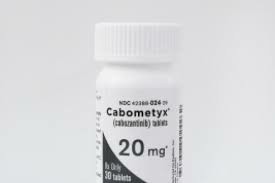
Cabozantinib (Cabozantinib), as a targeted therapy, has made significant progress in the treatment of tumors. However, as with other anticancer drugs, resistance to cabozantinib is a common problem. Drug resistance refers to the gradual failure of tumor cells to respond to drug treatment, resulting in the weakening or disappearance of the therapeutic effect. For cabozantinib, the development of drug resistance may affect patient efficacy and prognosis. Below is a discussion and approach to cabozantinib resistance:
1. The length of the drug resistance period:
The resistance period of cabozantinib is a complex and changeable problem, and its length depends on many factors, including the type of tumor, individual characteristics of the patient, and drug treatment regimen. Generally speaking, the duration of the resistance period can range from months to years. However, some patients may develop resistance more quickly, or even within a short period of time.
2. Mechanisms of drug resistance:
The mechanisms of cabozantinib resistance are multifaceted, mainly including the following aspects:
Target mutation: Tumor cells may evade the inhibitory effect of cabozantinib by mutating or changing target expression, leading to the occurrence of drug resistance.
Signal pathway transfer: Tumor cells may bypass the effects of cabozantinib by activating other signaling pathways and continue to grow and spread.
Tumor heterogeneity: Different subpopulations of tumor cells exist, and some subpopulations may be more resistant to cabozantinib.
Tumor microenvironment: Changes in the tumor microenvironment may also affect the efficacy of cabozantinib, such as angiogenesis and immune infiltration.
3. Strategies for dealing with drug resistance:
To address the problem of cabozantinib resistance, the following strategies can be adopted:
Combination therapy: Combining cabozantinib with other therapeutic drugs may improve the therapeutic effect and prolong the drug resistance period. For example, the combined use of cabozantinib with immunotherapy, chemotherapy drugs, etc. can inhibit tumor growth and spread through different mechanisms and reduce the occurrence of drug resistance.
Target therapy: Understanding the mechanisms of resistance and selecting targeted therapeutic drugs for specific resistance mechanisms may be able to effectively overcome drug resistance. For example, selecting targeted drugs with broader coverage for target mutations, or inhibiting the expression of drug-resistant mutations through synthetic biology methods.
Drug rotation: Regularly rotate drugs to avoid possible drug resistance caused by long-term use of a single drug. By periodically changing treatment drugs, the adaptability of tumor cells to a single drug can be reduced and the therapeutic effect can be prolonged.
Clinical Trials: Participation in clinical trials may be an effective way to learn about new treatment strategies. The continuous development of new targeted drugs, immunotherapy, gene therapy and other new technologies has brought new hope for the treatment of drug resistance.
4. Individualized treatment:
Developing an individualized treatment plan for each patient's specific situation is one of the important strategies for dealing with drug resistance. Doctors need to comprehensively consider the patient's condition, resistance mechanism, treatment history and other factors to formulate the most appropriate treatment plan to maximize the treatment effect and extend survival.
5. Lifestyle and supportive care:
In addition to drug treatment, good lifestyle and supportive treatment also have an important impact on patients' survival and quality of life. Maintaining good nutrition, moderate exercise, and reasonable psychological adjustment can help patients better cope with discomfort and complications during treatment and improve their quality of life.
When dealing with the problem of cabozantinib resistance, it requires the joint efforts of doctors, patients and researchers to actively explore new treatment strategies and strengthen research on resistance mechanisms to improve treatment effects, prolong patient survival and bring more hope to cancer patients.
[ 免责声明 ] 本页面内容来自公开渠道(如FDA官网、Drugs官网、原研药厂官网等),仅供持有医疗专业资质的人员用于医学药学研究参考,不构成任何治疗建议或药品推荐。所涉药品可能未在中国大陆获批上市,不适用于中国境内销售和使用。如需治疗,请咨询正规医疗机构。本站不提供药品销售或代购服务。


