
.jpeg)
Medication Guide: Detailed Medication Guide for Cabozantinib
Cabozantinib is a targeted therapy drug commonly used to treat many types of cancer, including advanced renal cell carcinoma and thyroid cancer. Correct medication guidelines are critical to patient outcomes and quality of life. Here are detailed instructions for cabozantinib dosing guidelines:
1.Physician guidance: Before starting to use cabozantinib, patients must consult a professional physician and strictly follow the physician's prescription and instructions. Doctors will determine the most appropriate dosage and medication regimen based on the patient's condition, physical condition and other factors.
2.Dosage and usage: Cabozantinib is usually taken as an oral medication, once daily, 60mg each time, it is recommended to take it at the same time, with a glass of water. The dosage is usually determined according to the patient's condition and tolerance, so patients should take the medicine strictly in accordance with the doctor's instructions and should not adjust the dosage without authorization.
3. Diet and drinking water: While taking cabozantinib, patients should avoid or reduce the intake of foods or drinks containing grapefruit ingredients, because grapefruit may affect the metabolism of the drug and increase the concentration of the drug in the body.
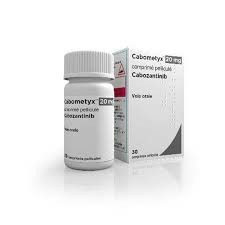
4.Adverse reactions: Cabozantinib may cause some adverse reactions, including but not limited to fatigue, diarrhea, hypertension, hand-foot syndrome, proteinuria, dry mouth, etc. If any adverse reactions occur, patients should inform their doctor immediately, who may adjust the dose or take other measures.
5.Treatment monitoring: During treatment with cabozantinib, patients need to undergo regular physical examinations and related tests to monitor the efficacy of treatment and possible adverse reactions. These tests may include blood tests, tumor marker testing, electrocardiograms, etc.
6.Drug Interactions: Patients should inform their physician of all medications they are taking, including prescription drugs, over-the-counter drugs, and supplements, while taking cabozantinib. Certain drugs may interact with cabozantinib, affecting the metabolism and efficacy of the drug.
7.Pregnancy and Lactation: Cabozantinib may have adverse effects on the fetus, so patients should avoid becoming pregnant during treatment. At the same time, it is unknown whether cabozantinib is excreted in breast milk, so breastfeeding should be stopped during cabozantinib treatment.
8.Follow the doctor’s instructions: Patients must follow the doctor’s instructions while using cabozantinib and do not adjust the dosage or stop taking the medication on their own. Any dosage adjustments or changes in medication should be made under the guidance of a physician.
Cabozantinib, as a targeted therapy, is crucial to the therapeutic effect of patients. Therefore, patients must strictly follow the doctor's instructions and pay close attention to changes in their physical condition while using cabozantinib. Any discomfort or questions should be consulted with a doctor promptly to ensure that the treatment process is completed safely and effectively.
[ 免责声明 ] 本页面内容来自公开渠道(如FDA官网、Drugs官网、原研药厂官网等),仅供持有医疗专业资质的人员用于医学药学研究参考,不构成任何治疗建议或药品推荐。所涉药品可能未在中国大陆获批上市,不适用于中国境内销售和使用。如需治疗,请咨询正规医疗机构。本站不提供药品销售或代购服务。


