
.jpeg)
Is cabozantinib effective in small cell lung cancer?
Small cell lung cancer (SCLC) is a highly aggressive and fast-growing lung cancer subtype that is often diagnosed at an advanced stage and carries a poor prognosis. For the treatment of SCLC, although traditional chemotherapy and radiotherapy can bring certain relief, their long-term effects are limited and drug resistance is prone to occur. Therefore, it is particularly important to find new treatment strategies. Cabozantinib (Cabozantinib), as a multi-target tyrosine kinase inhibitor, has been studied for the treatment of various cancer types, including non-small cell lung cancer and thyroid cancer. In recent years, some clinical studies have also explored the potential of cabozantinib in the treatment of SCLC.
Cabotinib inhibits the growth, spread and angiogenesis of tumor cells by inhibiting the activity of multiple targets, including MET, VEGFR, RET, etc. These targets may play an important role in the development and progression of SCLC. Studies have shown that cabozantinib can inhibit the proliferation and migration of SCLC cells and reduce tumor size and metastasis ability.
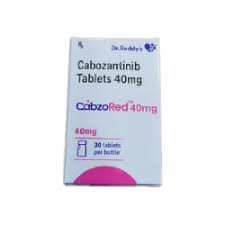
A clinical trial targeting SCLC found that cabozantinib has some activity in the treatment of relapsed SCLC. The study included some patients with advanced SCLC. The results showed that cabozantinib monotherapy or combined treatment with the chemotherapy drug cisplatin can control the disease of some patients and extend the progression-free survival (PFS) and overall survival (OS).
In addition, some preclinical studies have also shown that cabozantinib may increase patients' sensitivity to chemotherapy drugs by inhibiting the proliferation and metastasis of SCLC tumor stem cells, thus enhancing the therapeutic effect.
However, the current clinical data on cabozantinib in the treatment ofSCLC is still limited, and its exact therapeutic effect and safety require further research and verification. Therefore, forSCLCCabozantinib may be a promising new treatment option for patients, but more validation and exploration in clinical practice is needed. When considering the use of cabozantinib to treat SCLC, patients should consult their doctor to understand the individualized treatment plan and pay close attention to the efficacy and adverse reactions during the treatment process.
[ 免责声明 ] 本页面内容来自公开渠道(如FDA官网、Drugs官网、原研药厂官网等),仅供持有医疗专业资质的人员用于医学药学研究参考,不构成任何治疗建议或药品推荐。所涉药品可能未在中国大陆获批上市,不适用于中国境内销售和使用。如需治疗,请咨询正规医疗机构。本站不提供药品销售或代购服务。


