
.jpeg)
Rubicatin: New hope for treatment of small cell lung cancer
Small cell lung cancer (SCLC), as a type of lung cancer with high malignancy and rapid metastasis, has long lacked effective new treatments. However, in recent years, a drug called Lurbinectedin has emerged as a new treatment hope for patients with small cell lung cancer. Rubicatin is a unique transcription inhibitor that exhibits strong anti-tumor potential by inhibiting the transcriptional activity of oncogenes, inducing DNA double-strand breaks and modulating the tumor microenvironment. Preclinical and early clinical trial data show that rubicatin has significant efficacy in the treatment of small cell lung cancer, and the side effects are relatively tolerable.
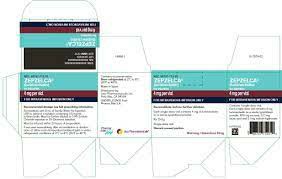
Rubicatin has shown efficacy in both platinum-sensitive and platinum-resistant small cell lung cancer patients, and even has certain efficacy in patients with small cell lung cancer who have relapsed after second-line treatment. In 2020, the U.S. Food and Drug Administration (FDA) officially approved Rubicatin for the treatment of adult patients with metastatic small cell lung cancer who have undergone platinum-based chemotherapy, marking a breakthrough for Rubicatin in the field of cancer treatment. Rubicatin is derived from an analogue of the marine compound ET-736, which is isolated from ascidians. Its approval was based on overall response rate (ORR) and duration of response (DoR) data from an open-label single-agent clinical trial. To ensure its long-term efficacy and safety, future confirmatory trials will further verify and characterize the clinical benefits of rubicatin.
In terms of dosing method, rubicatin is administered by a 60-minute intravenous infusion, and is usually recommended to be administered every 21 days. To prevent possible side effects such as nausea and vomiting, your doctor may prescribe corticosteroids (such as dexamethasone) and serotonin antagonists (such as ondansetron) beforehand. Although rubicatin has certain side effects, such as fatigue, anemia, nausea, etc., its potential benefits in the treatment of small cell lung cancer still make it a new therapy that has attracted much attention.
[ 免责声明 ] 本页面内容来自公开渠道(如FDA官网、Drugs官网、原研药厂官网等),仅供持有医疗专业资质的人员用于医学药学研究参考,不构成任何治疗建议或药品推荐。所涉药品可能未在中国大陆获批上市,不适用于中国境内销售和使用。如需治疗,请咨询正规医疗机构。本站不提供药品销售或代购服务。


