
.jpeg)
What is the effect of sotoracib (AMG510) in treating lung cancer?
Lung cancer is one of the most common cancers worldwide and one of the leading causes of many cancer-related deaths. Despite advances over the past few decades, traditional chemotherapy and radiation therapy remain treatments of limited effectiveness for many patients. However, with the development of molecular targeted therapy, a new drug, sotoraxib (AMG510), has attracted widespread attention and is highly anticipated for its potential effectiveness in the treatment of lung cancer. This article will review the clinical experimental data of sotoraxib in the treatment of lung cancer to evaluate its therapeutic effect.
Molecular mechanisms and therapeutic challenges of lung cancer
Before understanding the therapeutic effect of sotoraxib, it is necessary to first understand the molecular mechanism of lung cancer. The development of lung cancer is closely related to a variety of genetic mutations, including mutations in the KRAS gene, especially mutations at the KRAS G12C position. This mutation causes tumor cells to lose control of normal cell growth and differentiation, making them an important target for drugs.
However, the treatment ofKRAS gene mutations has long been a problem in the field of lung cancer treatment. Traditional methods are often unable to effectively inhibit tumor growth caused by KRAS mutations, which also leads to challenges in lung cancer treatment.
Mechanism of action of sotorasiib
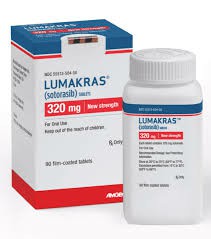
Sotoracib is a small molecule targeted drug that specifically inhibits theKRAS G12Cmutant. It inhibits the growth and proliferation of tumor cells by binding to the mutated KRAS protein in tumor cells and inhibiting its activity.
Clinical trial data review
1. Phase 1/2 Clinical Trial (CodeBreak 100)
CodeBreak 100 is an evaluation of thePivotal clinical trial of the safety and efficacy of KRAS G12C in patients with mutant tumors. The trial included patients from different tumor types, including lung cancer.
The trial results show that sotoraxib showed significant clinical activity in patients with lung cancer. Sustained tumor shrinkage and stabilization was observed in some patients and was well tolerated. The researchers also observed favorable treatment-related pharmacodynamic responses and low rates of toxic side effects.
2. Updated Data Analysis
As the study continues, further data analysis shows that the therapeutic effect of sotoraxib in patients with KRAS G12Cmutant lung cancer continues to be stable. Continuous observation shows that the tumor shrinkage effect lasts longer in some patients, and in some patients, the tumor burden is reduced or completely eliminated.
In addition, sotorasiib has also demonstrated good tolerance. The toxic side effects observed in clinical trials were mainly mild and can be effectively managed through dose adjustment or symptomatic and supportive therapy.
Based on the above clinical trial data, sotorasiib, as a targeted therapy drug targeting KRAS G12C mutation, has shown significant potential effectiveness and good safety in the treatment of lung cancer. Although further research is still needed to confirm its long-term efficacy and safety, these preliminary results bring new treatment hope to lung cancer patients and provide important implications for the future development of more targeted therapeutic drugs targeting KRAS mutations.
[ 免责声明 ] 本页面内容来自公开渠道(如FDA官网、Drugs官网、原研药厂官网等),仅供持有医疗专业资质的人员用于医学药学研究参考,不构成任何治疗建议或药品推荐。所涉药品可能未在中国大陆获批上市,不适用于中国境内销售和使用。如需治疗,请咨询正规医疗机构。本站不提供药品销售或代购服务。


