
.jpeg)
Are the side effects of sotoracib (AMG510) serious?
Although sotoracib (AMG510), a new anti-cancer drug targeting the KRAS G12C mutation, has shown significant anti-tumor activity in clinical trials, some side effects may occur in some patients. When assessing the severity of these side effects, the therapeutic effects of the drug and the patient's overall health need to be considered. Here are some common things to know about the possible side effects of sotoraxib and their severity:
1. Nausea and Vomiting: In clinical trials, some patients reported mild to moderate nausea and vomiting. This side effect usually occurs in the early stages of treatment and is often short-lived. Doctors may recommend that patients take certain measures while taking sotorasiib, such as taking the drug in divided doses or adjusting their diet, to reduce the occurrence of these symptoms.
2. Fatigue: Another common side effect is a feeling of fatigue. Some patients may feel more tired or weak during treatment. This may affect their daily activities and quality of life. When experiencing fatigue, patients may need more rest and sleep to recuperate. If fatigue significantly interferes with daily life, patients should inform their doctor so that appropriate countermeasures can be developed.
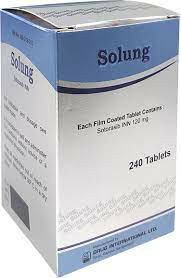
3. Changes in taste: Some patients may experience symptoms of changes in taste while using sotoracib, including a change in taste or the taste of food becoming unusual. This side effect is usually temporary, but may sometimes affect a patient's appetite and eating habits. In this case, patients can try to eat foods that taste better or are easier to eat and avoid foods that may make them uncomfortable.
4. Digestive tract problems: Some patients may experience digestive tract discomfort, such as diarrhea, constipation or abdominal discomfort. These symptoms are usually mild, but may cause inconvenience in some cases. Patients can alleviate these problems by adjusting their diet, increasing fluid intake, or taking appropriate medication. If digestive tract problems persist or worsen, patients should report them to their doctor promptly.
5. Abnormal liver function: In some patients, sotoracib may cause abnormal liver function, such as elevated transaminases. This side effect is usually temporary, but may cause more serious problems in some patients. Therefore, during treatment, doctors usually regularly monitor patients' liver function and other biochemical indicators that may affect drug safety.
6. Skin reactions: Some patients may experience skin reactions, such as rash, dryness, or itching. These symptoms are usually mild and gradually decrease after you stop using the medication. However, in some cases, skin reactions may worsen and require physician intervention to manage.
7. Other rare but serious side effects: Although sotoracib is well tolerated by most patients, serious side effects may occur in some cases, such as lung problems, cardiovascular events, or immune reactions. Therefore, patients should pay close attention to any unusual symptoms during treatment and report them to their doctor promptly.
It should be noted that each patient may respond differently to sotoraxib, so doctors and patients should maintain close communication during treatment and conduct individualized treatment management based on the patient's specific situation. In the event of any adverse reactions or worsening of symptoms, patients should contact their doctor as soon as possible to receive timely support and advice.
[ 免责声明 ] 本页面内容来自公开渠道(如FDA官网、Drugs官网、原研药厂官网等),仅供持有医疗专业资质的人员用于医学药学研究参考,不构成任何治疗建议或药品推荐。所涉药品可能未在中国大陆获批上市,不适用于中国境内销售和使用。如需治疗,请咨询正规医疗机构。本站不提供药品销售或代购服务。


