
.jpeg)
What will happen once osimertinib/osimertinib targeted drugs are discontinued?
Osimertinib is a targeted drug for non-small cell lung cancer (NSCLC) that is commonly used to treat patients with EGFR mutations. However, once you stop using osimertinib/osimertinib, a number of different scenarios may occur, depending on the patient's condition, treatment history, and reason for discontinuation.
1.Disease progression: For some patients, stopping osimertinib/osimertinib treatment may cause the tumor to re-grow or spread. This is becauseNSCLC is a chronic disease, and tumor cells may gradually develop drug resistance, resulting in weakened or ineffective treatment effects.
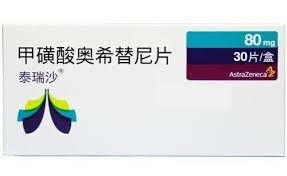
2.Development of drug resistance: Long-term use of osimertinib/osimertinib may lead to the development of drug resistance, making the drug ineffective. If the tumor continues to progress after stopping the drug, other treatment options may need to be tried, such as other targeted drugs, chemotherapy, or immunotherapy.
3.Exacerbation of condition: StopOsimertinib/OsimertinibTreatment may cause the condition to worsen, and patients may experience symptoms such as dyspnea, pain, and cough. These symptoms may require additional supportive care or palliative measures to help the patient feel less uncomfortable.
4.Side effects subside: After stoppingosimertinib/osimertinibAfter treatment, some drug-related side effects may gradually subside. This may include common side effects such as itchy skin, diarrhea, fatigue, and more. However, some patients may still require appropriate supportive care to manage any ongoing symptoms.
5.Quality of life improved: although discontinuedOsimertinib/OsimertinibTreatment may mean tumor progression or worsening of the disease, but for some patients, stopping the drug may lead to some improvement in quality of life. This may be because they no longer have to deal with side effects or other discomforts associated with treatment and can enjoy life better.
In general, discontinuing osimertinib/osimertinib treatment may lead to variable outcomes, ranging from tumor progression to symptom relief. Therefore, the decision to discontinue medication needs to be discussed between the doctor and the patient and made based on the patient's specific situation and needs. Importantly, even after treatment is discontinued, patients still require regular follow-up and monitoring to ensure that any disease progression or worsening of symptoms is detected and managed promptly.
[ 免责声明 ] 本页面内容来自公开渠道(如FDA官网、Drugs官网、原研药厂官网等),仅供持有医疗专业资质的人员用于医学药学研究参考,不构成任何治疗建议或药品推荐。所涉药品可能未在中国大陆获批上市,不适用于中国境内销售和使用。如需治疗,请咨询正规医疗机构。本站不提供药品销售或代购服务。


