
.jpeg)
Functions and effects of osimertinib mesylate/osimertinib tablets
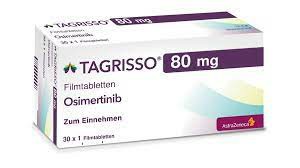
Osimertinib mesylate/osimertinib tablets (Osimertinib) is a new type of targeted therapy drug, mainly used to treat non-small cell lung cancer (NSCLC). It has a unique mechanism of action and significant efficacy, providing a new treatment option for patients with EGFR gene mutation-positive NSCLC. The following is a detailed introduction to the functions and efficacy of mesylateosimertinib/osimertinib tablets:
Mechanism of action
1.EGFRTyrosine kinase inhibition: mesylateOsimertinib/Osimertinib is a highly selective EGFRtyrosine kinase inhibitor. It inhibits the activity of EGFR by interacting with the ATP binding site of EGFR, thereby blocking the conduction of the EGFR signaling pathway.
2. Targeting specific EGFR mutations: methanesulfonic acidosimertinib/osimertinibmain It should be used to treat NSCLC patients with positive EGFR gene mutations, especially those who are resistant to other EGFR inhibitors. It can effectively inhibit EGFR gene mutations, such as EGFR sensitive mutations (such as Del19 and L858R) and EGFR T790M mutations.
3.Overcoming drug resistance: EGFRgene mutation is one of the most common markers for targeted therapy in NSCLC, but patients may develop drug resistance after receiving EGFR inhibitor treatment. mesylateosimertinib/osimertinibIt has high selectivity, especially targeting the EGFR T790M mutation, and can overcome the resistance of other EGFR inhibitors, thus prolonging the survival time of patients and improving the therapeutic effect.
Effectiveness
1.First-line treatment: MesylateOsimertinib/Osimertinib has shown significant efficacy in first-line treatment, especially for EGFRgene mutation-positive NSCLC patients. Clinical trial results show that compared with conventional first-generation EGFR inhibitors, osimertinib mesylate/osimertinib can significantly prolong progression-free survival (PFS) and improve patient survival.
2.Resistance treatment: Methanesulfonic acidOsimertinib/Osimertinib is a targeted drug for drug resistance. For EGFR T790Mpositive NSCLC patients, osimertinib mesylateosimertinib/osimertinib has shown significant efficacy, making it the main treatment option after the development of drug resistance.
3.Brain metastasis treatment: NSCLCPatients are often accompanied by central nervous system metastasis, and mesylateOsimertinib/Osimertinib has good intracerebral penetration and can effectively inhibit the growth and spread of brain metastases.
Security
1.Relatively well tolerated: Methanesulfonic acidOsimertinib/OsimertinibIt is generally well tolerated and most patients can readily tolerate treatment. Common adverse reactions include mild to moderate discomfort such as rash, diarrhea, fatigue, etc., which can generally be relieved through symptomatic treatment.
2.Management of specific side effects: Methanesulfonic acidOsimertinib/Osimertinib may cause some specific side effects in clinical application, such as pneumonia, interstitial lung disease (ILD), etc. Patients need to closely monitor the occurrence of adverse reactions during treatment and handle and manage them in a timely manner.
In general, mesylateosimertinib/osimertinib tablets, as a targeted therapy drug, have shown significant efficacy and good safety in the treatment of NSCLC. It can target specific EGFR mutations and drug resistance mechanisms, providing patients with a new treatment option and improving their survival and quality of life. However, patients still need to be closely monitored during treatment and follow medical instructions to ensure that the treatment is safe and effective.
[ 免责声明 ] 本页面内容来自公开渠道(如FDA官网、Drugs官网、原研药厂官网等),仅供持有医疗专业资质的人员用于医学药学研究参考,不构成任何治疗建议或药品推荐。所涉药品可能未在中国大陆获批上市,不适用于中国境内销售和使用。如需治疗,请咨询正规医疗机构。本站不提供药品销售或代购服务。


