
.jpeg)
Selinisol: a novel nuclear export inhibitor for personalized treatment of multiple myeloma
Selinexor (Selinexor), as a cutting-edge orally bioavailable drug, has emerged in the field of tumor treatment with its unique mechanism of action. It is a selective nuclear export inhibitor specifically targeting the therapeutic target exportin 1 (XPO1), which is overexpressed in multiple myeloma (MM). XPO1 is responsible for transporting up to 220 nuclear proteins from the nucleus to the cytoplasm, including proteins with tumor suppressor effects. In intensive preclinical studies, selinesol has shown impressive potential against myeloma by inhibiting this process, either alone or in combination with existing multiple myeloma treatments.
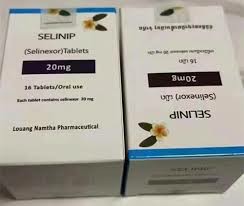
Each patient's physical condition and response to the medication is unique, so the exact effects of taking selinesol will vary. The core goal of the drug is to treat tumors, and for some patients, Selinisol may significantly shrink tumor size or effectively control tumor growth. However, given the complex response patterns of tumors to drugs, different patients may experience different treatment effects. Due to selinesol's specific effects on blood cells, patients will need to have regular blood tests during treatment to ensure that blood cell counts are within the normal range so that any potential health problems can be detected and addressed in a timely manner.
Like other medications, selinesol may cause a range of side effects during treatment. These side effects may include nausea, vomiting, feelings of fatigue, loss of appetite, low platelet count, and low white blood cell count. The severity and frequency of these reactions vary among individuals, so each patient's experience is unique.
[ 免责声明 ] 本页面内容来自公开渠道(如FDA官网、Drugs官网、原研药厂官网等),仅供持有医疗专业资质的人员用于医学药学研究参考,不构成任何治疗建议或药品推荐。所涉药品可能未在中国大陆获批上市,不适用于中国境内销售和使用。如需治疗,请咨询正规医疗机构。本站不提供药品销售或代购服务。


