
.jpeg)
The effect of selinesol in treating leukemia
Acute myeloid leukemia (AML) is a highly heterogeneous disease for which there is an unmet need for improved targeted therapies. Selinexor has shown promise in treating AML, but selecting patient responders is challenging and resistance to selinexor is unknown. In a new study, researchers used subcellular phosphoproteomics to design rational combination therapies to improve the efficacy of selinexol treatment in responders and overcome drug resistance in non-responders.
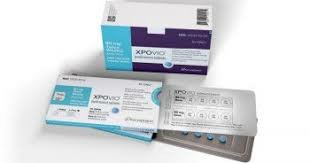
In human cells, selinesol targetsexport in-1 (xpo 1) protein, which controls the transport of tumor suppressor proteins such as p53 and Rb1 within and outside the nucleus. The inhibitory effect of selinesol traps these proteins in the nucleus, thereby enhancing their tumor suppressor activity. As a result, selinesol is emerging as a promising cancer treatment, particularly in leukemia, and has been tested in several clinical trials. Because selinesol's single-agent activity has been shown to be limited, combination therapy with other targeted therapies has untapped potential.
Selinesol tablets prevent the overexpression of abnormal cell genes by inhibiting the nuclear transport protein XPO1 between the cytoplasm and the nucleus, thereby inhibiting the growth and proliferation of leukemia cells. Compared with traditional chemotherapy drugs, selinesol tablets have some unique advantages in the treatment of leukemia. But like all medicines, selinesol tablets have some side effects. Common side effects include digestive system reactions such as nausea, vomiting, and diarrhea, as well as systemic reactions such as fatigue and anemia. If a patient needs to use selinesol tablets to treat leukemia, doctors need to conduct careful evaluation and monitoring to ensure treatment effectiveness and patient safety.
[ 免责声明 ] 本页面内容来自公开渠道(如FDA官网、Drugs官网、原研药厂官网等),仅供持有医疗专业资质的人员用于医学药学研究参考,不构成任何治疗建议或药品推荐。所涉药品可能未在中国大陆获批上市,不适用于中国境内销售和使用。如需治疗,请咨询正规医疗机构。本站不提供药品销售或代购服务。


