
.jpeg)
The potential and challenges of selinesol in the treatment of leukemia
Acute myeloid leukemia (AML) is a complex and changeable malignant disease, and current treatments are still difficult to meet the individual needs of patients. As a new type of drug, Selinexor has shown certain promise in the treatment of AML, but how to accurately screen patients who respond to it and how to overcome drug resistance are still challenges faced by researchers.
Selinesol is unique in that it can precisely act on the intracellular exportin-1 (xpo 1) protein. This protein is responsible for transporting key tumor suppressor proteins such as p53 and Rb1 from the nucleus to the outside of the cell. Selinesol can block this pathway, causing these tumor suppressor proteins to accumulate in the nucleus, thereby enhancing their inhibitory effect on cancer cells.
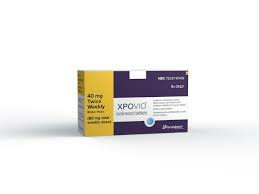
Because of this, selinesol is viewed as a cancer treatment drug with an innovative mechanism, especially in the field of leukemia. However, clinical trials showed limited efficacy of selinesol alone, prompting researchers to explore the possibility of combining it with other targeted therapies.
Seleniso effectively inhibits the abnormal proliferation of leukemia cells by interfering with the signal transmission between the nucleus and the cytoplasm. Compared with traditional chemotherapy drugs, this is undoubtedly a more precise and gentle treatment strategy. But at the same time, selinesol is not without side effects. Patients may experience digestive system discomforts such as nausea, vomiting, and diarrhea, as well as systemic symptoms such as fatigue and anemia during use. Although these symptoms will resolve on their own within a short period of time in most cases, if they persist or worsen, patients should communicate with their doctor immediately so that the treatment plan can be adjusted in a timely manner.
[ 免责声明 ] 本页面内容来自公开渠道(如FDA官网、Drugs官网、原研药厂官网等),仅供持有医疗专业资质的人员用于医学药学研究参考,不构成任何治疗建议或药品推荐。所涉药品可能未在中国大陆获批上市,不适用于中国境内销售和使用。如需治疗,请咨询正规医疗机构。本站不提供药品销售或代购服务。


