
.jpeg)
Detailed explanation of selinesol treatment cycle: duration, protocol and individual differences
Selinexor (Selinexor), an innovative drug against specific leukemias and lymphomas, belongs to the selective nuclear transport inhibitor (SINE) family. While using this medication, patients typically undergo multiple treatment cycles, and the length of each cycle can vary from person to person. Treatment cycles with selinesol are not simply measured in days, but often span weeks or even months. During each cycle, patients must follow strict instructions from their doctor to take the medication, which may be taken daily continuously or on specific days per week.
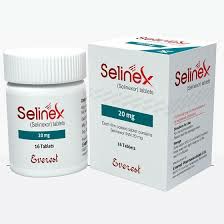
Particularly in the treatment of multiple myeloma, patients may undergo a cyclic or fractional treatment pattern. Each such cycle may last from 21 to 35 days and include continuous drug intake followed by brief rest periods. At the end of each cycle, your doctor will evaluate the effectiveness of the treatment and any potential side effects to determine your next treatment strategy. Most patients will receive 4 to 6 cycles of treatment. For those patients who respond well and do not experience disease progression or unacceptable side effects, they may continue to receive additional cycles of treatment, which may be up to 28 days each.
Because each patient's situation is unique, their treatment plan and cycle schedule must be individualized by their physician based on a variety of factors, including the type and stage of the disease, the patient's overall health, and their response to treatment. Therefore, it is crucial to have an in-depth, comprehensive consultation with your doctor before starting selinesol treatment. In this way, patients can ensure they receive the treatment plan that best suits their situation, while also having a clear understanding of the expected treatment cycle and results.
[ 免责声明 ] 本页面内容来自公开渠道(如FDA官网、Drugs官网、原研药厂官网等),仅供持有医疗专业资质的人员用于医学药学研究参考,不构成任何治疗建议或药品推荐。所涉药品可能未在中国大陆获批上市,不适用于中国境内销售和使用。如需治疗,请咨询正规医疗机构。本站不提供药品销售或代购服务。


