
.jpeg)
Therapeutic effect of adagrasib in patients with advanced cancer
Adagrasib (Adagrasib) is a targeted therapy for patients with certain advanced cancers. It belongs to the KRAS G12C mutation inhibitor class of drugs, which interferes with the growth and spread of tumor cells by inhibiting the activity of the mutated gene. According to the latest research results, adagrasib has shown good therapeutic effects in some patients with advanced cancer. These include lung cancer, colorectal cancer, and other malignancies harboring KRAS G12C mutations.
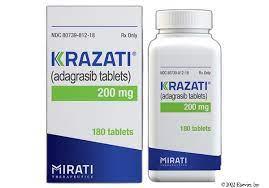
The results of a Phase II clinical trial called "ASTRIS" showed that some patients experienced a significant increase in tumor shrinkage after treatment with the drug. The disease control rate in the adagrasib treatment group reached 96%. This shows that adagrasib can effectively inhibit the proliferation and growth of tumor cells, thus delaying the progression of the disease. It also means that the condition of the vast majority of patients has been effectively controlled after using adagrasib. Although some patients may experience mild adverse reactions such as fatigue, nausea, and vomiting, these reactions are generally manageable and do not significantly impact patients' quality of life.
However, adagrasib is not suitable for all patients with advanced cancer. This drug is mainly targeted at patients who are positive for the KRAS G12C mutation, so genetic testing should be performed before use to confirm whether the patient is suitable for this treatment. Therefore, adagrasib, as a targeted therapy drug, has shown good therapeutic effects in some patients with advanced cancer. As research progresses, understanding of its safety and effectiveness will further deepen, providing hope and opportunities for more patients.
[ 免责声明 ] 本页面内容来自公开渠道(如FDA官网、Drugs官网、原研药厂官网等),仅供持有医疗专业资质的人员用于医学药学研究参考,不构成任何治疗建议或药品推荐。所涉药品可能未在中国大陆获批上市,不适用于中国境内销售和使用。如需治疗,请咨询正规医疗机构。本站不提供药品销售或代购服务。


