
.jpeg)
The therapeutic effect and limitations of dasatinib on leukemia
Dasatinib (Dasatinib), as a drug for the treatment of leukemia, has demonstrated its unique efficacy in the clinical treatment of chronic myelogenous leukemia and adult acute lymphoblastic leukemia. However, as for the question that patients are most concerned about, whether dasatinib can completely cure the disease, the answer is not absolute. This mainly depends on the type of disease, individual patient differences, and the severity of the condition.
Dasatinib is a potent second-generation tyrosine kinase inhibitor (TKI). Since being approved by the U.S. Food and Drug Administration (FDA) in 2010, it has become one of the important drugs for the treatment of chronic myelogenous leukemia (CML). For newly diagnosed patients with chronic phase CML, dasatinib can effectively control the progression of the disease and improve the patient's survival rate. At the same time, dasatinib has also shown good efficacy in patients who are resistant or intolerant to previous treatments.
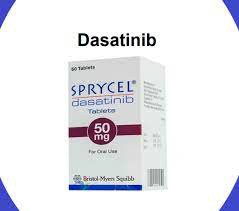
CML is a myeloproliferative disease caused by excessive activity of BCR-ABL1 and has been successfully treated with TKIs. Although imatinib is known as a first-line treatment for chronic myelogenous leukemia, other TKIs including dasatinib, nilotinib, bosutinib, and ponatinib may be the first-choice agents in certain circumstances.
In terms of mechanism of action, dasatinib can inhibit a variety of kinases, includingBCR-ABL, SRC family kinases, and receptor kinases. This broad inhibitory effect allows dasatinib to be effective in the treatment of multiple types of leukemia. Compared with imatinib, dasatinib is more active against BCR-ABL1 and can inhibit more types of imatinib-resistant mutations.
Multiple clinical studies have confirmed that dasatinib is more effective than imatinib in treating drug-resistant and intolerant patients, as well as patients with newly diagnosed chronic myelogenous leukemia. For example, in the DASISION study, patients treated with dasatinib achieved major molecular responses and complete cytogenetic responses (CCyR) more quickly and had fewer CML-related deaths than imatinib. These results indicate that dasatinib can bring earlier and deeper clinical benefits to patients.
However, although dasatinib has achieved remarkable results in the treatment of leukemia, we still need to face its limitations. First, dasatinib is not guaranteed to completely cure all types of leukemia. Secondly, the use of dasatinib may be accompanied by some side effects, such as bone marrow suppression, bleeding events, etc., which require close monitoring and management. In addition, the relatively high price of dasatinib may put financial pressure on some patients.
Therefore, when using dasatinib to treat leukemia, doctors need to develop a personalized treatment plan based on the patient's specific situation and weigh the efficacy and risks in order to bring the best clinical benefit to the patient.
[ 免责声明 ] 本页面内容来自公开渠道(如FDA官网、Drugs官网、原研药厂官网等),仅供持有医疗专业资质的人员用于医学药学研究参考,不构成任何治疗建议或药品推荐。所涉药品可能未在中国大陆获批上市,不适用于中国境内销售和使用。如需治疗,请咨询正规医疗机构。本站不提供药品销售或代购服务。


