
.jpeg)
Ensidipine Drug Encyclopedia
Enasidenib is an oral small molecule targeted drug mainly used to treat acute myeloid leukemia (AML), especially those patients who carry IDH2 gene mutations. It belongs to the category of isomeric cysteine u200bu200bsynthase 2 (IDH2) inhibitors, which blocks the growth and proliferation of leukemia cells by inhibiting abnormal IDH2 enzyme activity.
The mechanism of action of ensidipine is to target the IDH2 mutation in AML cells. This mutation will lead to the abnormal activity of IDH2 enzyme, thereby promoting the generation of abnormal metabolic pathways, leading to abnormal proliferation and survival of leukemia cells. By inhibiting the activity of IDH2 enzyme, ensidipine can interfere with the production of these abnormal metabolic pathways, thereby inhibiting the growth and proliferation of leukemia cells and reducing the progression of AML.
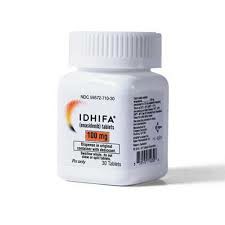
Ensidipine is usually used as monotherapy, taken orally once daily. The dose is usually 100 milligrams (mg) and is recommended to be taken after a meal. The treatment cycle is 28 days, and the patient needs to continue taking ensidipine until the doctor determines the discontinuation time.
Although ensidipine has shown significant efficacy in the treatment ofAML, it may also cause some side effects, such as gastrointestinal discomfort, abnormal liver function, bone marrow suppression, etc. Therefore, patients need to be regularly monitored and evaluated by their physician during treatment with ensidipine to ensure the effectiveness and safety of the treatment.
In summary, ensidipine, as a targeted therapy for a specific type of AML, represents an in-depth understanding of the mechanism of cancer treatment in the medical field. It provides a new treatment option for AML patients who carry IDH2 gene mutations and provides new hope for improving patients' survival rate and quality of life.
[ 免责声明 ] 本页面内容来自公开渠道(如FDA官网、Drugs官网、原研药厂官网等),仅供持有医疗专业资质的人员用于医学药学研究参考,不构成任何治疗建议或药品推荐。所涉药品可能未在中国大陆获批上市,不适用于中国境内销售和使用。如需治疗,请咨询正规医疗机构。本站不提供药品销售或代购服务。


