
.jpeg)
Which one is better, dasatinib or nilotinib?
Dasatinib (Dasatinib) and nilotinib (nilotinib) are commonly used second-line treatments for patients with chronic phase Philadelphia-positive chronic myeloid leukemia (Ph+CML-CP) who are resistant or intolerant to imatinib (imatinib). Since its approval, several cost-effectiveness analyzes (CEA) comparing second-line nilotinib to dasatinib have been published. Both drugs have their own advantages and disadvantages in clinical application. Both dasatinib and nilotinib can significantly reduce the number of leukemia cells and promote the disease to enter remission. Their selection depends on the patient's specific situation and the doctor's recommendations.
1. Pharmacological mechanism of action: Both dasatinib and nilotinib inhibit the activity ofBCR-ABL fusion protein, thereby blocking the growth and expansion of leukemia cells. The difference is that dasatinib also inhibits other signaling pathways, such as Src tyrosine kinase, and therefore may have a broader anti-tumor effect in some cases.
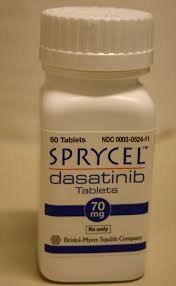
2. Chemical structure: The chemical structures of dasatinib and nilotinib are different. Dasatinib is a multi-target inhibitor with a complex molecular structure that can interact with multiple protein targets. Nilotinib is a selective BCR-ABL inhibitor with a relatively simple molecular structure.
3. Indications: Due to differences in drug action mechanisms and indications, the use of dasatinib and nilotinib may differ in different situations. Dasatinib is often considered a second-line treatment option, especially for patients with high-risk or drug-resistant leukemia. Nilotinib is commonly used as a potential treatment for various leukemias, including CML.
4. Side effects: Dasatinib and nilotinib also have some differences in side effects. Common side effects of dasatinib include nausea, vomiting, diarrhea, edema, etc.; but the side effects of nilotinib are relatively mild, while dasatinib may cause more adverse reactions, such as bleeding, arrhythmia, etc. Therefore it may be more tolerable in certain patients.
Resistance to imatinib is defined as the lack of a complete hematological response after 3 months of treatment, or the lack of a cytogenetic response after 6 months of treatment, or the lack of a major cytogenetic response (>35% Ph-positive cells) after 12 months of treatment, possibly due to imatinib administration or acquired during treatment, as shown in previous studies. In this resistant setting, other treatment options should be considered, including dasatinib and nilotinib.
Overall, both dasatinib and nilotinib are effective treatments, but the choice of which drug should be evaluated based on the patient's specific circumstances, disease stage, and physician recommendations. It is important to fully discuss with the doctor and understand the advantages and disadvantages of various drugs in order to make the most appropriate treatment decision. Patients should not use drugs at will to avoid unnecessary adverse reactions.
[ 免责声明 ] 本页面内容来自公开渠道(如FDA官网、Drugs官网、原研药厂官网等),仅供持有医疗专业资质的人员用于医学药学研究参考,不构成任何治疗建议或药品推荐。所涉药品可能未在中国大陆获批上市,不适用于中国境内销售和使用。如需治疗,请咨询正规医疗机构。本站不提供药品销售或代购服务。


