
.jpeg)
Dasatinib vs. Nilotinib: Which is more effective?
In the treatment area of chronic phase Philadelphia-positive chronic myelogenous leukemia (Ph+CML-CP), when imatinib is no longer effective or patients cannot tolerate it, dasatinib and nilotinib have become two second-line treatments that have attracted much attention. Although they both have significant therapeutic effects, it is still unclear which one is superior.
First of all, from the perspective of pharmacological mechanism of action, both dasatinib and nilotinib block the proliferation of leukemia cells by inhibiting the activity ofBCR-ABL fusion protein. But what is unique about dasatinib is that it can also inhibit other signaling pathways, such as Src tyrosine kinase, thereby demonstrating its anti-tumor potential on a broader level. Secondly, from the perspective of chemical structure, dasatinib can interact with multiple protein targets because of its complex multi-target inhibitor structure, while nilotinib, as a selective BCR-ABL inhibitor, presents a relatively simple molecular structure.
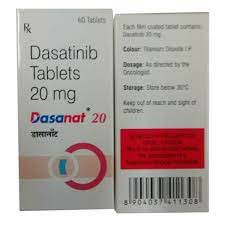
In terms of indications, dasatinib is often regarded as the preferred second-line treatment for patients with high-risk or drug-resistant leukemia due to its broad mechanism of action. Nilotinib has shown its potential in the treatment of various types of leukemia, especiallyCML. However, the two drugs behave differently when it comes to side effects. Dasatinib may cause many side effects, such as nausea, vomiting, diarrhea, edema, and even bleeding and arrhythmia. In contrast, nilotinib has relatively mild side effects and may be better tolerated by some patients.
In summary, dasatinib and nilotinib each have their own benefits. When choosing which drug to use, the patient's specific condition, disease stage, and doctor's recommendations should be fully considered. In-depth communication with your doctor and a thorough understanding of the pros and cons of various medications will be key to making the best treatment decision. Patients must follow medical advice and avoid taking medications randomly to reduce the risk of unnecessary adverse reactions.
[ 免责声明 ] 本页面内容来自公开渠道(如FDA官网、Drugs官网、原研药厂官网等),仅供持有医疗专业资质的人员用于医学药学研究参考,不构成任何治疗建议或药品推荐。所涉药品可能未在中国大陆获批上市,不适用于中国境内销售和使用。如需治疗,请咨询正规医疗机构。本站不提供药品销售或代购服务。


