
.jpeg)
A must-read for patients: An overview of the basic information in the Chinese instructions for Trifluridine Tipiracil (Langsiphor)
1. Generic name: Trifluridine and Tipiracil Tablets
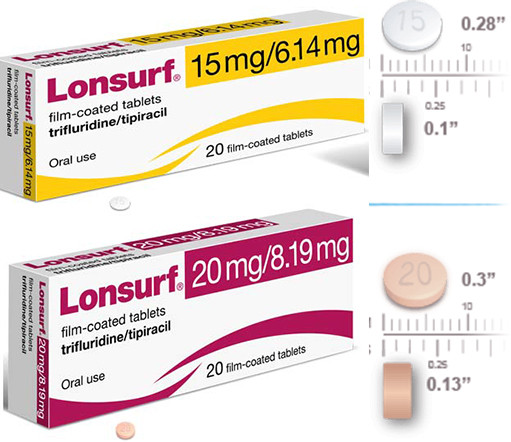
Product name: Lonsurf, Lonsurf
Other names:Trifluridine and Tipiracil Hydrochloride
2. Who can take trifluridine and tipiracil? Indications?
1. Metastatic colorectal cancer: Trifluridine (Lonsurf/Lonsurf) is indicated as a single agent or in combination with bevacizumab (Bevacizumab), an anti-VEGF biological therapy, or an anti-EGFR therapy if RAS wild-type, for the treatment of adult patients with metastatic colorectal cancer who have previously received chemotherapy with fluoropyrimidine, oxaliplatin, and irinotecan.
2. Metastatic gastric cancer: Trifluridine is indicated for the treatment of adult patients with metastatic gastric or gastroesophageal junction adenocarcinoma who have received at least two types of chemotherapy, including fluoropyrimidine, platinum, taxane or irinotecan, as well as appropriate HER2/neu targeted therapy.
3. What are the side effects of trifluridine and tipiracil?
The most common side effects (including laboratory abnormalities) of monotherapy with trifluridine and tipiracil are neutropenia, anemia, thrombocytopenia, fatigue, nausea, decreased appetite, diarrhea, vomiting, abdominal pain, and pyrexia. The most common side effects (including laboratory abnormalities) of trifluridine and tipiracil combined with bevacizumab are neutropenia, anemia, thrombocytopenia, fatigue, nausea, increased aspartate aminotransferaseAST, increased alanine aminotransferase ALT, increased alkaline phosphatase, decreased sodium, diarrhea, abdominal pain, and decreased appetite.
4. How should you take trifluridine and tipiracil?
The recommended dose of trifluridine tipiracil as a single agent or in combination with bevacizumab is 35 mg/m^2 up to a maximum of 80 mg/dose (based on the trifluridine component) taken orally with food twice daily on days 1 to 5 and 8 to 12 of each 28-day cycle until disease progression or unacceptable toxicity. Round dosage to the nearest 5 mg increment.
5. How to store trifluridine and tipiracil?
The storage temperature of trifluridine and tipiracil is20°C to 25°C (68°F to 77°F); offsets allowed from 15°C to 30°C (59°F to 86°F). If stored outside of original bottle, discard after 30 days.
6. How does trifluridine and tipiracil work?
Trifluridine tipiracil consists of the thymidine-based nucleoside analog trifluridine and the thymidine phosphorylase inhibitor tipiracil, with a molar ratio of1:0.5 (weight ratio 1:0.471). The addition of tipiracil increases trifluridine exposure by inhibiting the metabolism of thymidine phosphorylase. After ingestion into cancer cells, trifluridine is incorporated into DNA, interfering with DNA synthesis and inhibiting cell proliferation. Trifluridine and tipiracil showed antitumor activity against KRAS wild-type and mutant human colorectal cancer xenografts in mice.
7. What will happen if you take too much trifluridine or tipiracil?
The highest dose of oral trifluridine, trifluridine, and tipiracil in clinical studies was 180 mg/m^2 per day. The major expected complication of overdose is bone marrow suppression. There is currently no known antidote for trifluridine overdose; in the event of overdose, management should include routine treatment and supportive medical interventions aimed at correcting the current clinical manifestations and preventing their possible complications. Based on animal studies, trifluridine may cause fetal toxicity when administered to pregnant patients.
[ 免责声明 ] 本页面内容来自公开渠道(如FDA官网、Drugs官网、原研药厂官网等),仅供持有医疗专业资质的人员用于医学药学研究参考,不构成任何治疗建议或药品推荐。所涉药品可能未在中国大陆获批上市,不适用于中国境内销售和使用。如需治疗,请咨询正规医疗机构。本站不提供药品销售或代购服务。


