
.jpeg)
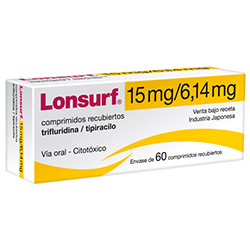
Detailed Medication Guide for Trifluridine and Tipiracil (Longsford)
1. Applicable groups and treatment scope
Trifluridine or Lonsurf (Lonsurf/Lonsurf) is a treatment for certain types of cancer. It is suitable for the following patient groups:
1. Patients with metastatic colorectal cancer: For adult patients with metastatic colorectal cancer who have previously received chemotherapy with fluoropyrimidine, oxaliplatin, and irinotecan, trifluridine can be used as a single agent or in combination with bevacizumab. This treatment option is particularly suitable for patients who have undergone anti-VEGF biologic therapy or (for RAS wild-type patients) anti-EGFR therapy.
2. Patients with metastatic gastric cancer: For adult patients with metastatic gastric or gastroesophageal junction adenocarcinoma who have received at least two chemotherapy regimens (including fluoropyrimidine, platinum, taxanes, or irinotecan), trifluridine and tipiracil also show its therapeutic effect. These patients may also have received appropriate HER2/neu-targeted therapy.
2. Drug side effects and precautions
Patients may experience a range of side effects when using trifluridine and tipiracil. The most common side effects during monotherapy include hematological abnormalities such as neutropenia, anemia, and thrombocytopenia, as well as non-hematological toxicities such as fatigue, nausea, decreased appetite, diarrhea, vomiting, abdominal pain, and pyrexia. When used in combination with bevacizumab, additional side effects such as increases in aspartate aminotransferase (AST), alanine aminotransferase (ALT), and alkaline phosphatase, as well as decreased sodium, may occur.
3. Medication methods and dose adjustment
The recommended dose of trifluridine and tipiracil is35mg/m^2 (calculated based on the trifluridine component), up to a maximum of 80mg/dose. Patients should take this medication by mouth twice daily with food on days 1 to 5 and 8 to 12 of each 28-day cycle. To ensure dosing accuracy, round dosage to the nearest 5 mg increment. Treatment should be continued until disease progression or unacceptable toxicity occurs.
4. Drug Storage and Disposal
To ensure the effectiveness and safety of the medication, store trifluridine tipiracil20°C to 25°C (68°F to 77°F). Brief temperature excursions are allowed in the range of 15°C to 30°C (59°F to 86°F). If medicine has been stored outside the original bottle for more than 30 days, be sure to throw it away.
5. Mechanism of action and efficacy
Trifluridine and tipiracil are a composite preparation of a thymidine-based nucleoside analog and a thymidine phosphorylase inhibitor. The molar ratio of trifluridine to tipiracil is 1:0.5 (weight ratio is 1:0.471). The presence of tipiracil increases trifluridine exposure in the body by inhibiting the activity of thymidine phosphorylase. When the drug is taken up by cancer cells, trifluridine is incorporated into DNA, interfering with the DNA synthesis process and inhibiting the cell's ability to proliferate. Trifluridine and tipiracil have shown significant antitumor activity against KRAS wild-type and mutant human colorectal cancer xenografts in mouse models.
6. Drug overdose and treatment measures
In clinical studies, the highest oral dose of trifluridine and tipiracil was 180 mg/m^2 per day. Excessive use may lead to serious complications such as bone marrow suppression. There is currently no known specific antidote for trifluridine overdose; therefore, in the event of overdose, treatment should focus on conventional care and supportive medical interventions to correct the current clinical manifestations and prevent potential complications. Of particular note, animal studies have shown that administration of trifluridine to pregnant patients may result in an increased risk of fetal toxicity. Therefore, be sure to follow your doctor's instructions while taking the medication and pay close attention to any unusual reactions.
7. Drug use restrictions and precautions for special groups
1. Allergic reaction: Trifluridine and tipiracil tablets are strictly prohibited for patients with known allergic reactions to trifluridine, tipiracil or any other active ingredients in the drug. Before use, be sure to explain your allergy history to your doctor in detail.
2. Pregnancy and contraception: During treatment with trifluridine and tipiracil, patients and their partners should avoid pregnancy. Female patients should undergo a pregnancy test to ensure they are not pregnant before starting treatment. Effective contraception should be used during treatment and for six months after the end of treatment to prevent unwanted pregnancy. Male patients whose partners are at risk of becoming pregnant should use condoms as an additional form of contraception during treatment and for three months after the end of treatment.
[ 免责声明 ] 本页面内容来自公开渠道(如FDA官网、Drugs官网、原研药厂官网等),仅供持有医疗专业资质的人员用于医学药学研究参考,不构成任何治疗建议或药品推荐。所涉药品可能未在中国大陆获批上市,不适用于中国境内销售和使用。如需治疗,请咨询正规医疗机构。本站不提供药品销售或代购服务。


