
.jpeg)
Does the tumor respond after treatment with trifluridine and tipiracil (Lancever)?
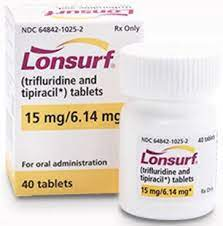
Trifluridine and tipiracil (Lonsurf) are drugs that play an important role in the treatment of advanced colorectal and gastric cancer. Its core components, trifluridine and tipiracil, inhibit the rapid growth of tumor cells by interfering with the DNA synthesis process. However, each patient's physical condition and disease status are unique, which leads to individual differences in drug efficacy.
Although there are high hopes that trifluridine and tipiracil can control tumor growth to a certain extent, this does not mean that all patients' tumors will shrink as expected or remain stable. In some cases, there may be a temporary increase in tumor size during the early stages of treatment. This does not necessarily mean that the treatment has failed, but rather that the drug is inhibiting each other with the tumor cells.
This type of tumor growth during treatment, sometimes called"pseudoprogression," may be due to an inflammatory response that occurs after tumor cells die. This is a relatively common reaction to treatment and does not necessarily mean that the medication is not working or that the condition is getting worse. In fact, in many cases, the tumors eventually shrink back in size as treatment continues. Of course, other causes of tumor growth cannot be completely ruled out. For example, certain tumor types may be less sensitive to trifluridine or tipiracil, or there may be genetic mutations within tumors that make them resistant to the drug. In addition, limitations of imaging examination methods (such as CT scans or MRI) may also lead to misjudgment of treatment effects.
Therefore, when a patient finds that the tumor has increased after receiving trifluridine or tipiracil treatment, the most important thing is to stay calm and communicate with the doctor in a timely manner. The doctor will re-evaluate the patient's condition based on the patient's specific situation to determine whether this is a normal treatment response or a signal that the treatment plan needs to be adjusted. This may include changing medications, adjusting dosage, or using other complementary treatments. Regardless, regular check-ups and close monitoring of changes in your condition are crucial.
[ 免责声明 ] 本页面内容来自公开渠道(如FDA官网、Drugs官网、原研药厂官网等),仅供持有医疗专业资质的人员用于医学药学研究参考,不构成任何治疗建议或药品推荐。所涉药品可能未在中国大陆获批上市,不适用于中国境内销售和使用。如需治疗,请咨询正规医疗机构。本站不提供药品销售或代购服务。


