
.jpeg)
How to deal with enzalutamide (enzalutamide) resistance?
Enzalutamide (Enzalutamide) is an oral antiandrogen used to treat advanced prostate cancer. Although it shows significant efficacy in the initial treatment, as the treatment time is prolonged, some patients may develop drug resistance, that is, the effect of the drug gradually weakens or fails. For enzalutamide resistance, the following strategies can be adopted to deal with it:
1.Confirm drug resistance:
Before adjusting the treatment plan, it is necessary to confirm whether the patient has actually developed resistance toenzalutamide (enzalutamide). This can be assessed by monitoring the patient's PSA (prostate specific antigen) levels, imaging tests (such as CT scans, bone scans, etc.) and clinical symptoms.
2.Change the treatment plan:
Switch to other anti-androgens: If the patient is resistant to enzalutamide, consider switching to other anti-androgens, such as Apalutamide) or daralutamide (Darolutamide). These drugs can sometimes respond to drug resistance, thereby extending patient survival.
Combined with other treatments: In addition to anti-androgen drugs, you can also consider combining other treatments, such as chemotherapy, radiotherapy, targeted therapy or immunotherapy. These treatments may contribute to different mechanisms of resistance and help slow disease progression.
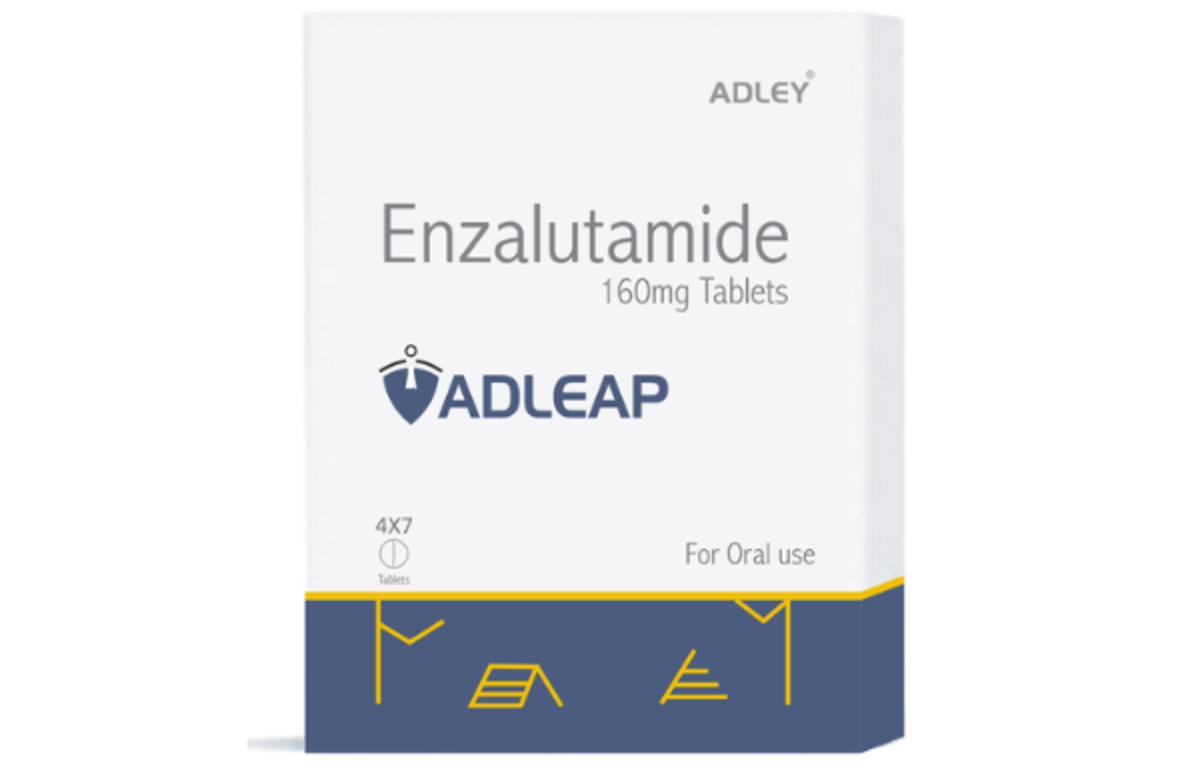
3.Participate in clinical trials:
For patients who have developed drug resistance, participating in clinical trials may be an effective way to explore new treatment options. Clinical trials often involve novel drugs or new treatment strategies that have the potential to provide more effective treatment options for drug-resistant patients.
4.Supportive treatment:
For patients who have developed drug resistance, it is important to provide supportive care to relieve symptoms and improve quality of life. This may include pain management, psychological support, nutritional support, etc.
At the same time, monitor changes in the condition regularly, pay close attention to the patient's physical condition and mental state, and adjust the treatment plan as needed.
5.Individualized treatment:
Each patient's situation is unique, so treatment plans should be individualized based on the patient's specific circumstances. Doctors need to comprehensively consider the patient's age, disease severity, comorbidities, lifestyle and other factors to formulate a treatment strategy that is most suitable for the patient.
6.Pay attention to clinical progress:
With the development of medical technology, new treatment methods and drugs are constantly emerging in the field of tumor treatment. Therefore, patients and doctors should pay close attention to clinical progress and adjust treatment plans at any time to obtain the best treatment effect.
In short,enzalutamide Resistance is a common problem in prostate cancer treatment, but it does not mean the end of treatment. By changing treatment plans, participating in clinical trials, and providing supportive treatment, we can help drug-resistant patients delay the progression of the disease and improve their quality of life. It is important that patients and physicians work closely together to develop an individualized treatment plan to maximize treatment effectiveness and quality of life.
[ 免责声明 ] 本页面内容来自公开渠道(如FDA官网、Drugs官网、原研药厂官网等),仅供持有医疗专业资质的人员用于医学药学研究参考,不构成任何治疗建议或药品推荐。所涉药品可能未在中国大陆获批上市,不适用于中国境内销售和使用。如需治疗,请咨询正规医疗机构。本站不提供药品销售或代购服务。


