
.jpeg)
Which is better, enzalutamide (enzalutamide) or abiraterone?
Enzalutamide and abiraterone are two common drugs used to treat advanced prostate cancer, and they are widely used clinically. Although they are all targeted therapeutic drugs, they differ in their mechanisms of action, indications, side effects, and efficacy. Below we will compare the two:
1.Mechanism of action:
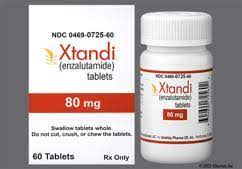
Enzalutamide (enzalutamide) : Enzalutamide (enzalutamide) is an anti-androgen drug. Its mechanism of action is mainly to inhibit the growth and spread of prostate cancer cells by inhibiting the activity of the androgen receptor (AR). By binding to AR, it prevents the binding of androgens and inhibits their activity, thereby reducing the stimulation of prostate cancer cells by androgens.
Abiraterone: Abiraterone is aCYP17inhibitor. Its mechanism of action is to interfere with the synthesis of androgens in prostate cancer cells by inhibiting theCYP17 enzyme. CYP17 is one of the two key enzymes that catalyze androgen synthesis. Blocking its activity can reduce androgen levels in the body.
2.Indications:
Enzalutamide : Enzalutamide is primarily used to treat metastatic prostate cancer, especially in patients who have already undergone chemotherapy and in patients who have not experienced chemotherapy. It can also be used to treat non-metastatic prostate cancer.
Abiraterone: Abiraterone is commonly used to treat metastatic prostate cancer, particularly as an initial treatment option in patients who are chemotherapy-naïve and in patients who have already received chemotherapy.
3.Side effects:
Enzalutamide (Enzalutamide) : Common side effects of Enzalutamide (Enzalutamide) include fatigue, dizziness, headache, high blood pressure, joint pain, myalgia, nausea, vomiting, etc. Rare but serious side effects may include adverse cardiovascular events, liver function abnormalities, depression, and more.
Abiraterone: Common side effects of abiraterone include edema, high blood pressure, fatigue, joint pain, myalgia, nausea, vomiting, etc. More serious side effects may include cardiac arrhythmias, abnormal liver function, and increased risk of fractures.
4.Effectiveness:
Enzalutamide : Enzalutamide (enzalutamide) has been shown in clinical trials to extend survival, reduce disease progression and relieve symptoms, particularly in patients who have failed treatment with chemotherapy and in patients who have not been previously treated with chemotherapy.
Abiraterone: Abiraterone has also demonstrated in clinical trials its effectiveness in extending survival, reducing disease progression, and improving quality of life, particularly in chemotherapy-naïve patients.
5.Selection basis:
The specific basis for choosing enzalutamide or abiraterone may include factors such as the patient's condition characteristics, treatment history, comorbidities, drug resistance, and personal preferences. Doctors usually develop a personalized treatment plan based on the patient's specific situation.
In practical applications, enzalutamide and abiraterone are both widely used to treat prostate cancer and may produce different therapeutic effects and side effects in different patient groups. Therefore, patients should choose an appropriate treatment plan based on the doctor's advice and personal circumstances based on full communication with the doctor.
[ 免责声明 ] 本页面内容来自公开渠道(如FDA官网、Drugs官网、原研药厂官网等),仅供持有医疗专业资质的人员用于医学药学研究参考,不构成任何治疗建议或药品推荐。所涉药品可能未在中国大陆获批上市,不适用于中国境内销售和使用。如需治疗,请咨询正规医疗机构。本站不提供药品销售或代购服务。


