
.jpeg)
Can acotinib treat advanced lymphoma?
Acalabrutinib is widely used to treat advanced lymphomas, including follicular lymphoma (FL) and diffuse large B-cell lymphoma (DLBCL). Lymphoma is a cancer involving the lymphatic system, usually originating in lymphocytes, and can affect lymph nodes, spleen, bone marrow, and other lymphoid tissues.
In clinical studies, acotinib has been proven to have significant therapeutic effects on patients with relapsed or refractory lymphoma. Clinical trials for follicular lymphoma (FL) showed that the progression-free survival (PFS) of the acotinib treatment group was significantly longer than that of the placebo group. For diffuse large Bcell lymphoma (DLBCL), acotinib also shows certain therapeutic activity, especially in patients with relapsed or refractory DLBCL. The results of these clinical trials demonstrate the potential efficacy of acotinib in the treatment of patients with advanced lymphoma.
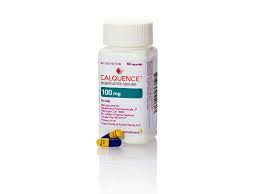
The therapeutic mechanism of acotinib is mainly through selective inhibition of BTK (Bruton's tyrosine kinase) in the B cell receptor signaling pathway, thereby inhibiting the growth and proliferation of leukemia and lymphoma cells. Compared with traditional chemotherapy drugs, acotinib has higher selectivity and targeting, can reduce damage to normal cells, thereby reducing treatment-related toxic side effects.
However, although acotinib has shown good efficacy in the treatment of advanced lymphoma, it still has some limitations. Individual differences and drug resistance issues may affect the effectiveness of treatment, so patients need to be closely monitored during treatment and the treatment plan adjusted according to the specific situation to obtain the best treatment effect. Taken together, acotinib, as a targeted therapy, provides an effective and safe treatment option for patients with advanced lymphoma.
[ 免责声明 ] 本页面内容来自公开渠道(如FDA官网、Drugs官网、原研药厂官网等),仅供持有医疗专业资质的人员用于医学药学研究参考,不构成任何治疗建议或药品推荐。所涉药品可能未在中国大陆获批上市,不适用于中国境内销售和使用。如需治疗,请咨询正规医疗机构。本站不提供药品销售或代购服务。


