
.jpeg)
Selumetinib in Neurofibromatosis: How to Reduce the Risk of Recurrence?
A core question that cancer patients and their families are often concerned about is: will the tumor recur after treatment? Selumetinib (Selumetinib), as a targeted therapeutic drug targeting the MEK signaling pathway, has shown certain efficacy in controlling tumor growth and metastasis. However, it does not completely guarantee that the tumor will not come back.
First of all, we need to make it clear that selumetinib mainly works by interfering with the proliferation and metastasis mechanisms of tumor cells. Although it can inhibit tumor growth to a certain extent, it cannot completely eradicate all tumor cells. This means that in some cases, the tumor may still come back.
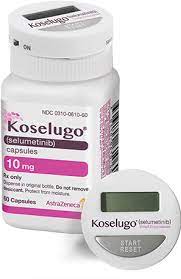
Secondly, the risk of tumor recurrence is affected by many factors, including tumor type, stage, and individual differences among patients. Different types of tumors may have different propensities for recurrence, and individual patient differences may also affect treatment efficacy and risk of recurrence.
In addition, the patient's treatment response to selumetinib and subsequent disease management are also important factors affecting the risk of recurrence. If patients respond well to medications and adhere to a standard treatment and follow-up plan, their risk of recurrence may be relatively low.
To reduce the risk of tumor recurrence, a comprehensive treatment strategy is crucial. In addition to targeted therapeutic drugs such as selumetinib, traditional treatments such as surgery, radiotherapy, and chemotherapy may also need to be used as auxiliary treatments based on the specific conditions of the patient. This combined treatment approach attacks tumor cells more comprehensively, reducing the likelihood of recurrence.
In short, although selumetinib plays an important role in tumor treatment, it cannot completely guarantee that the tumor will not relapse. In order to reduce the risk of recurrence, patients need to actively cooperate with the doctor's treatment recommendations, adhere to standardized treatment and follow-up plans, and adopt a healthy lifestyle. At the same time, the application of comprehensive treatment strategies is also the key to preventing tumor recurrence.
[ 免责声明 ] 本页面内容来自公开渠道(如FDA官网、Drugs官网、原研药厂官网等),仅供持有医疗专业资质的人员用于医学药学研究参考,不构成任何治疗建议或药品推荐。所涉药品可能未在中国大陆获批上市,不适用于中国境内销售和使用。如需治疗,请咨询正规医疗机构。本站不提供药品销售或代购服务。


