
.jpeg)
Can acotinib treat liver cancer?
Acalabrutinib (Acalabrutinib) is mainly used to treat specific types of leukemia and lymphoma, such as chronic lymphocytic leukemia (CLL), small cell lymphoma (SLL), follicular lymphoma (FL), and diffuse large B cell lymphoma (DLBCL). Although acotinib has shown significant efficacy in the treatment of these diseases as a targeted therapy, it has not yet been widely used to treat liver cancer.
Liver cancer is a common malignant tumor with high morbidity and mortality worldwide. Although treatment methods for liver cancer include surgical resection, chemotherapy, radiotherapy, and targeted therapy, there is currently a lack of effective treatments, especially for patients with advanced liver cancer whose therapeutic effects are limited.
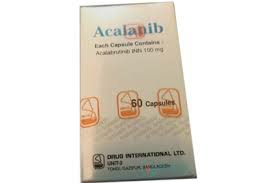
Acotinib mainly interferes with the growth and proliferation of leukemia and lymphoma cells by selectively inhibiting BTK (Bruton's tyrosine kinase) in the B cell receptor signaling pathway. However, the tumor biological characteristics and molecular targets related to liver cancer are different from those of leukemia and lymphoma, so the efficacy of acotinib in the treatment of liver cancer has not been fully verified.
Currently, treatment for liver cancer mainly depends on the stage of the tumor and the overall health of the patient. Treatment strategies for liver cancer may include surgical resection, liver transplantation, interventional therapy, radiotherapy, chemotherapy, and targeted therapy. For example, for patients with advanced liver cancer, targeted therapy drugs such as sorafenib (Sorafenib) and rapatinib (Regorafenib) have been proven to prolong patient survival.
Although acotinib has shown promising efficacy in the treatment of leukemia and lymphoma, its role in the treatment of liver cancer has not been fully proven. Therefore, patients with liver cancer should choose the most appropriate treatment plan based on the specific situation and conduct treatment under the guidance of clinicians. With the continuous deepening of scientific research and the continuous advancement of treatment technology, it is expected that more effective treatments will be discovered, bringing more hope to liver cancer patients.
[ 免责声明 ] 本页面内容来自公开渠道(如FDA官网、Drugs官网、原研药厂官网等),仅供持有医疗专业资质的人员用于医学药学研究参考,不构成任何治疗建议或药品推荐。所涉药品可能未在中国大陆获批上市,不适用于中国境内销售和使用。如需治疗,请咨询正规医疗机构。本站不提供药品销售或代购服务。


