
.jpeg)
How long can you live taking acotinib?
Acalabrutinib is a targeted therapy drug mainly used to treat specific types of leukemia and lymphoma, such as chronic lymphocytic leukemia (CLL), small cell lymphoma (SLL< /span>), follicular lymphoma (FL), and diffuse large B cell lymphoma (DLBCL). When patients receive acotinib treatment, their survival and prognosis are affected by many factors, including disease type, disease stage, patient's age, overall health status, treatment response and drug resistance, etc.
First of all, the efficacy of acotinib depends on the characteristics of the patient's condition. For patients diagnosed early and treated promptly, acotinib may be able to effectively control the development of leukemia and lymphoma and extend the patient's survival. However, for patients with advanced disease or relapsed and refractory disease, the effect of treatment may be limited and survival may be shorter.
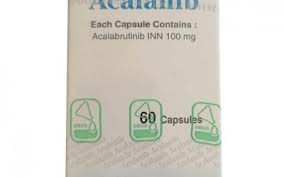
Secondly, patients’ treatment response and drug resistance during acotinib treatment will also have an impact on survival. Some patients may develop resistance to acotinib, resulting in reduced or ineffective treatment. In this case, the doctor may consider switching treatment options or adopting other treatment strategies.
In addition, the patient's overall health and age are also important factors that affect survival. In general, younger, healthier patients are likely to survive longer than older patients or those with other serious health problems.
Taken together, the therapeutic effect of acotinib and patient survival are affected by multiple factors. Patients need to pay close attention to the doctor's guidance and monitoring during treatment, and adjust the treatment plan in a timely manner to obtain the best treatment effect. At the same time, a positive lifestyle and mentality are also very important to improve the quality of life of patients.
[ 免责声明 ] 本页面内容来自公开渠道(如FDA官网、Drugs官网、原研药厂官网等),仅供持有医疗专业资质的人员用于医学药学研究参考,不构成任何治疗建议或药品推荐。所涉药品可能未在中国大陆获批上市,不适用于中国境内销售和使用。如需治疗,请咨询正规医疗机构。本站不提供药品销售或代购服务。


