
.jpeg)
Precautions when taking acotinib
Acalabrutinib is a targeted therapy used to treat certain types of leukemia and lymphoma. During treatment with acotinib, patients and doctors need to pay attention to the following medication precautions:
1.Evaluation before medication:
Before starting acotinib, physicians should conduct a thorough evaluation of the patient, including the patient's medical history, existing medical conditions, drug allergies, and other medications and supplements being used. This helps doctors assess a patient's overall health and predict the risk of potential drug interactions and adverse reactions.
2.Dose and regimen:
The dosage and medication regimen of acotinib should be individually adjusted based on the patient's specific situation and disease characteristics. In general, the recommended dose of acotinib is 100 mg taken orally twice daily.
When adjusting the dose or changing the medication regimen, doctors should conduct a comprehensive assessment based on the patient's clinical response, drug resistance, and the severity of adverse reactions, and formulate a corresponding treatment plan.
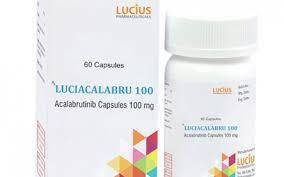
3.Take before or after meals:
Acotinib can be taken before or after meals, and patients can choose the appropriate time according to their personal habits. Patients are usually advised to take it at a fixed time each day to ensure stable drug concentration and therapeutic effect.
4.Interactions with food:
Acotinib can be taken with food, but high-fat foods should be avoided as high-fat foods may affect the rate and extent of acotinib absorption.
Patients should avoid drinking grapefruit juice or eating grapefruit while taking acotinib, because grapefruit may affect the metabolism of acotinib and increase the concentration of the drug in the body, thereby increasing the risk of adverse reactions.
5.Regular monitoring:
During the period of treatment with acotinib, patients should undergo regular clinical monitoring and laboratory examinations to evaluate the treatment effect, monitor changes in disease conditions, and the occurrence of adverse reactions.
Doctors will regularly check the patient's hematology indicators (such as platelet count, neutrophil count, etc.) and liver function indicators (such as serum aminotransferase, total bilirubin, etc.) to ensure that the patient's physical condition is stable.
6.Drug interactions:
Patients should avoid adverse drug interactions with other drugs while taking acotinib. In particular, patients should avoid concomitant use with potentially interacting drugs such as anticoagulants, antiarrhythmics, antibiotics, and antifungals.
While receiving acotinib, patients should report all medications, supplements, and herbs they are taking to their physician in detail so that their physician can evaluate potential drug interactions.
7.Use by pregnant and lactating women:
Pregnant and nursing women should avoid acotinib because its effects on the fetus or infant are unknown. If the patient is pregnant or planning to become pregnant, acotinib should be discontinued under the guidance of a physician and the physician should be consulted about safe alternative treatment options.
To sum up, patients using acotinib to treat leukemia and lymphoma need to follow the doctor's guidance and recommendations, pay attention to the dosage and regimen, regularly monitor the treatment effects and adverse reactions, and avoid adverse drug interactions with other drugs to ensure safe and effective treatment. Any questions or discomfort should be consulted with a doctor promptly.
[ 免责声明 ] 本页面内容来自公开渠道(如FDA官网、Drugs官网、原研药厂官网等),仅供持有医疗专业资质的人员用于医学药学研究参考,不构成任何治疗建议或药品推荐。所涉药品可能未在中国大陆获批上市,不适用于中国境内销售和使用。如需治疗,请咨询正规医疗机构。本站不提供药品销售或代购服务。


