
.jpeg)
The correct way to take neratinib/neratinib and precautions
Neratinib/Neratinib is an oral kinase inhibitor that, under certain conditions, can be used as a monotherapy for early-stage HER2-positive breast cancer or in combination with capecitabine for the treatment of advanced or metastatic HER2-positive breast cancer. Because of its potential to cause side effects such as diarrhea, concomitant use with loperamide is often recommended. To ensure therapeutic efficacy and patient safety, the following are the correct methods and key precautions for taking neratinib:
1. Before use: Before starting to take neratinib, patients should explain to their doctor whether they have special circumstances such as liver disease, pregnancy plans, and breastfeeding.
2. Dosage and administration: The standard dose of neratinib is 240mg per day (i.e. 6 40mg tablets). It is usually recommended to take it with food to reduce gastrointestinal discomfort. In most cases, neratinib needs to be taken continuously for one year to achieve optimal results. Doctors may use a lower dose for the first week and gradually increase to a standard dose based on patient tolerance. Tablets should be swallowed whole and avoid chewing, crushing or splitting. If you miss a dose, skip it and take it at the next scheduled time; if you take an overdose, tell your doctor immediately.
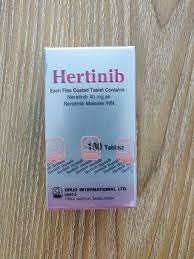
3. Diarrhea management: To reduce the risk of diarrhea, patients should follow the doctor’s advice while taking loperamide. If you have persistent or severe diarrhea symptoms, such as increased bowel movements, weakness, dizziness or fever, please seek medical advice promptly and replenish fluids and electrolytes. Certain dietary habits may also help control diarrhea.
4. Interactions with other drugs: If the patient takes antacids or acid-reducing drugs (H2 receptor blockers) at the same time, please ensure that the time between taking neratinib and neratinib is long enough. Additionally, grapefruit products should be avoided during treatment as they may affect drug metabolism.
5. Liver function monitoring: Neratinib may cause liver problems. If relevant symptoms occur, such as abdominal pain, itching, dark urine, clay-colored stools, or jaundice, please seek medical attention immediately and conduct a liver function test. Liver function blood tests are usually recommended every 3 months.
6. Alcohol intake limit: Although alcohol has no direct interaction with neratinib, excessive drinking may increase the risk of side effects such as diarrhea and dehydration, so it should be avoided.
7. Pregnancy and breastfeeding: Neratinib may cause harm to the fetus, so patients should take effective contraceptive measures and avoid breastfeeding while taking the drug.
Neratinib is an important drug that plays a key role in the treatment of breast cancer. It is very important to have regular check-ups while taking neratinib. This helps doctors monitor changes in the condition and the effectiveness of the drug, and detect and deal with any possible side effects in a timely manner. Therefore, taking neratinib correctly is the key to ensuring the efficacy of the drug and reducing adverse reactions. Patients should strictly follow the doctor's advice, take the medicine on time and in the right amount, and consult the doctor in time if any discomfort occurs.
[ 免责声明 ] 本页面内容来自公开渠道(如FDA官网、Drugs官网、原研药厂官网等),仅供持有医疗专业资质的人员用于医学药学研究参考,不构成任何治疗建议或药品推荐。所涉药品可能未在中国大陆获批上市,不适用于中国境内销售和使用。如需治疗,请咨询正规医疗机构。本站不提供药品销售或代购服务。


