
.jpeg)
Can entrectinib cure lung cancer?
Entrectinib is a targeted therapy drug mainly used to treat ALK (tyrosine kinase) fusion-positive non-small cell lung cancer (NS CLC) and ROS1 (ROS1tyrosine kinase) fusion-positive locally advanced or metastatic solid tumors. For some patients with these specific genetic mutations, entrectinib has been shown to have significant efficacy in controlling disease progression and extending survival.
However, it is important to emphasize that lung cancer is a complex disease and entrectinib is only one treatment option. Although entrectinib has shown good efficacy in some patients, it does not mean that it can completely cure lung cancer. The goals of treating lung cancer are usually to reduce symptoms, extend survival, and improve the patient's quality of life by controlling the growth and spread of the tumor.
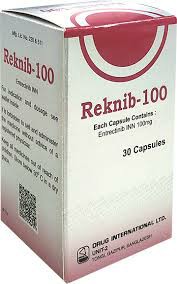
For some lung cancers that are detected early and are locally resectable, surgery may be a more common treatment option. In addition, radiotherapy, chemotherapy, immunotherapy and other methods are often used to treat lung cancer. For advanced lung cancer or metastatic disease, targeted therapies such as entrectinib provide another important treatment option.
While entrectinib may cause tumor shrinkage or stabilization in some patients, not all patients respond positively to it. Some patients may develop resistance to treatment or experience adverse reactions that require adjustments to their treatment regimen.
In summary, although entrectinib, as a targeted therapy, has shown good efficacy in some patients with lung cancer, it cannot guarantee a complete cure for lung cancer. Treatment of lung cancer often requires a combination of factors and requires ongoing monitoring and adjustment of treatment options. Close communication and collaboration between patient and physician are key to achieving optimal treatment outcomes.
[ 免责声明 ] 本页面内容来自公开渠道(如FDA官网、Drugs官网、原研药厂官网等),仅供持有医疗专业资质的人员用于医学药学研究参考,不构成任何治疗建议或药品推荐。所涉药品可能未在中国大陆获批上市,不适用于中国境内销售和使用。如需治疗,请咨询正规医疗机构。本站不提供药品销售或代购服务。


