
.jpeg)
What is the anti-cancer effect of entrectinib?
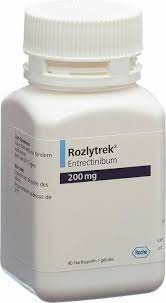
Entrectinib is a targeted therapy drug that is mainly used to treat various tumor types carrying NTRK gene fusion or ROS1 ROS1 gene rearrangement. Its anti-cancer effects have been extensively studied and evaluated in clinical trials. This article will explore the efficacy of entrectinib in the treatment of these specific types of tumors based on clinical trial data.
1.NTRKTherapeutic effect of gene fusion-positive tumors:
NTRK gene fusion occurs in a variety of solid tumors, such as breast cancer, lung cancer, colorectal cancer, etc. Entrectinib is a drug targeting the NTRK protein, and its efficacy in patients with NTRK fusion-positive tumors has been verified in multiple clinical trials.
In a clinical trial that included multiple solid tumor types, researchers treated patients withNTRK gene fusions with entrectinib. The study results showed that among 138 patients who received entrectinib treatment, the overall effective rate reached 57.2%. In addition, the median progression-free survival (PFS) of patients was 11.2 months, and the median overall survival (OS) has not yet been reached.
In another clinical trial for breast cancer patients, researchers found that among 15 breast cancer patients carrying NTRK gene fusions, the overall effectiveness of entrectinib reached 9 3.3%, and the median progression-free survival (PFS) reached 12.9 months, indicating that entrectinib has a significant therapeutic effect in this patient population.
2.ROS1Therapeutic effect of gene rearrangement-positive tumors:
ROS1gene rearrangements are commonly seen in tumor types such as non-small cell lung cancer (NSCLC). As a drug targeting the ROS1 protein, entrectinib's efficacy in patients with ROS1 rearrangement-positive tumors has also received widespread attention and research.
In a clinical trial, researchers treated patients with NSCLC carrying ROS1 gene rearrangements with entrectinib. The results showed that among 53 patients who received treatment, the overall effective rate of entrectinib reached 77.4%, and the median progression-free survival (PFS) reached 19.0 months. This shows that entrectinib has a significant therapeutic effect in patients with ROS1 rearrangement-positive NSCLC and can prolong the progression-free survival of patients.
3.Cross-tumor therapeutic effect:
In addition to specific tumor types, entrectinib has also been shown to have therapeutic efficacy in other tumor types harboring NTRK gene fusions or ROS1 gene rearrangements. In a clinical trial across multiple tumor types, researchers evaluated the efficacy of entrectinib in NTRK- and ROS1-positive tumors. The results showed that among the patients who received treatment, the overall effective rate of entrectinib was 57.4%, and the median progression-free survival (PFS) reached 11.2 months, indicating that it has a good therapeutic effect in a variety of tumor types.
4.Security assessment:
In clinical trials, entrectinib was generally considered a relatively safe and tolerable drug. The most common adverse reactions include nausea, vomiting, headache, fatigue, diarrhea and other digestive and nervous system reactions. Other rare but serious adverse reactions may include hypertension, abnormal liver function, and cardiac arrhythmia. However, most patients are able to manage these adverse effects with treatment modifications or symptomatic treatment to ensure continuation of treatment.
In summary, entrectinib, as a targeted therapy drug, has shown significant anti-cancer effects in a variety of tumor types carrying NTRK gene fusion or ROS1 gene rearrangement. Clinical trial data show that entrectinib can significantly improve patients' overall response rate, prolong progression-free survival, and generally has good safety and tolerability, providing an important treatment option for patients with these tumor types.
[ 免责声明 ] 本页面内容来自公开渠道(如FDA官网、Drugs官网、原研药厂官网等),仅供持有医疗专业资质的人员用于医学药学研究参考,不构成任何治疗建议或药品推荐。所涉药品可能未在中国大陆获批上市,不适用于中国境内销售和使用。如需治疗,请咨询正规医疗机构。本站不提供药品销售或代购服务。


